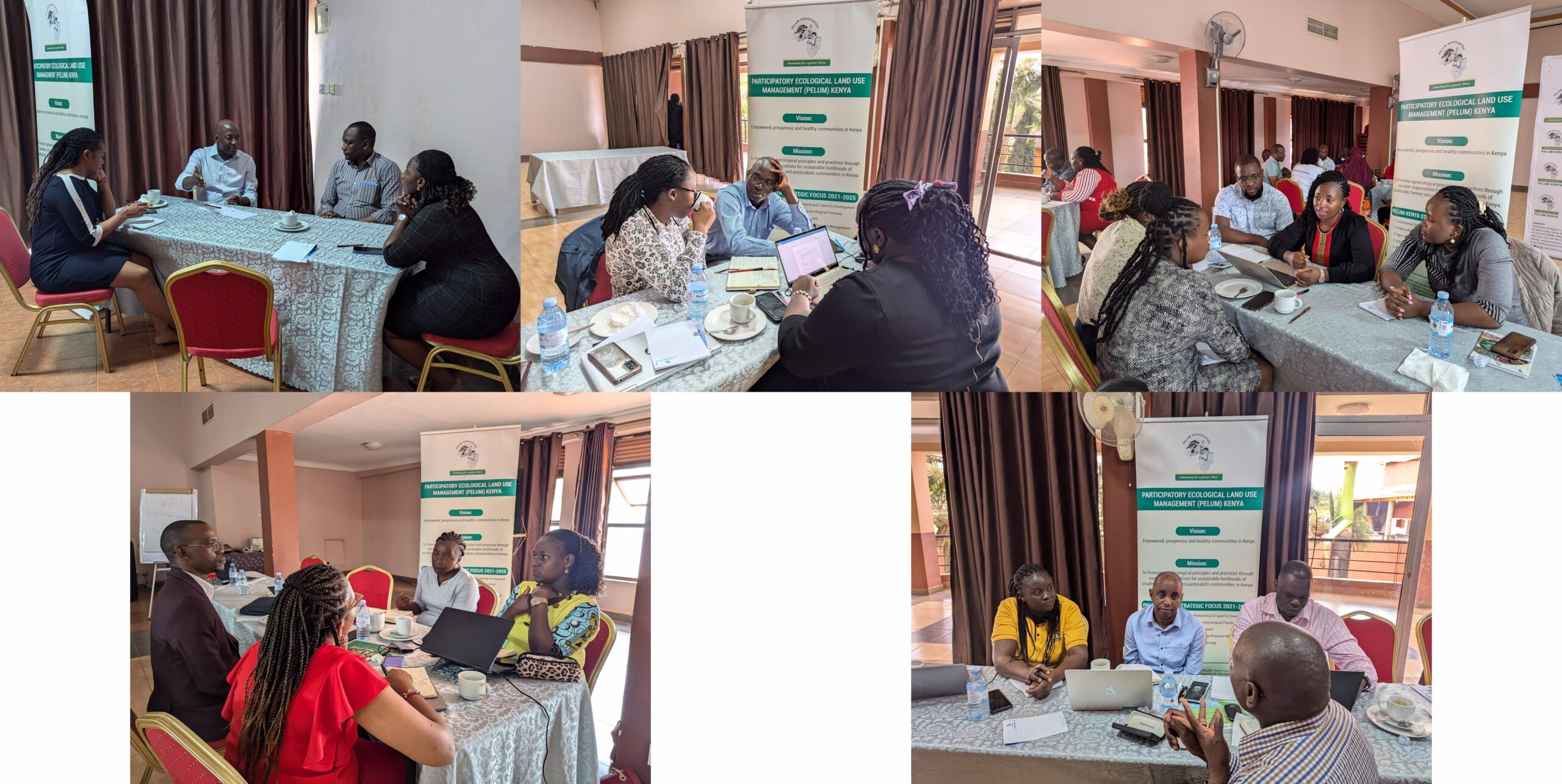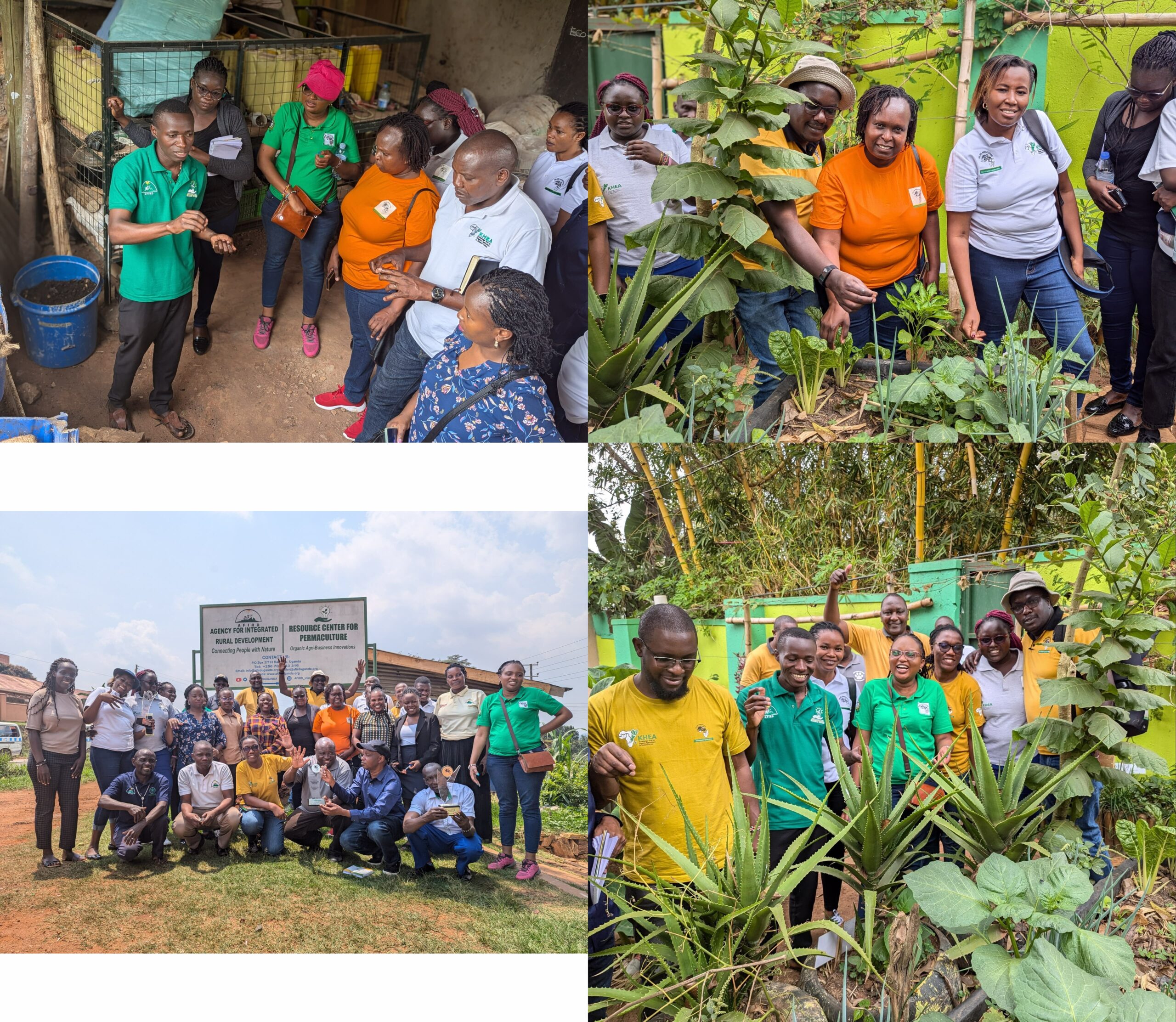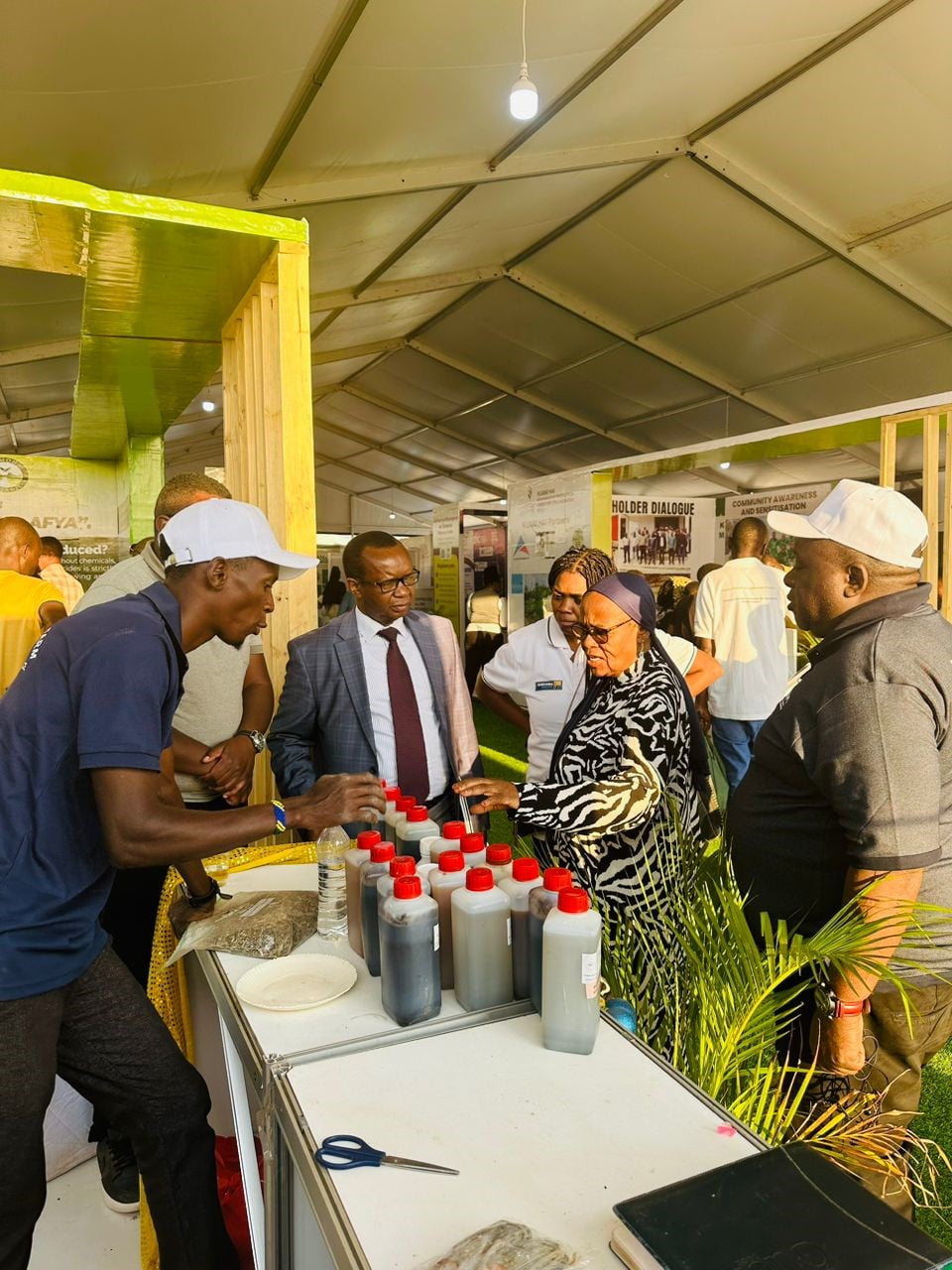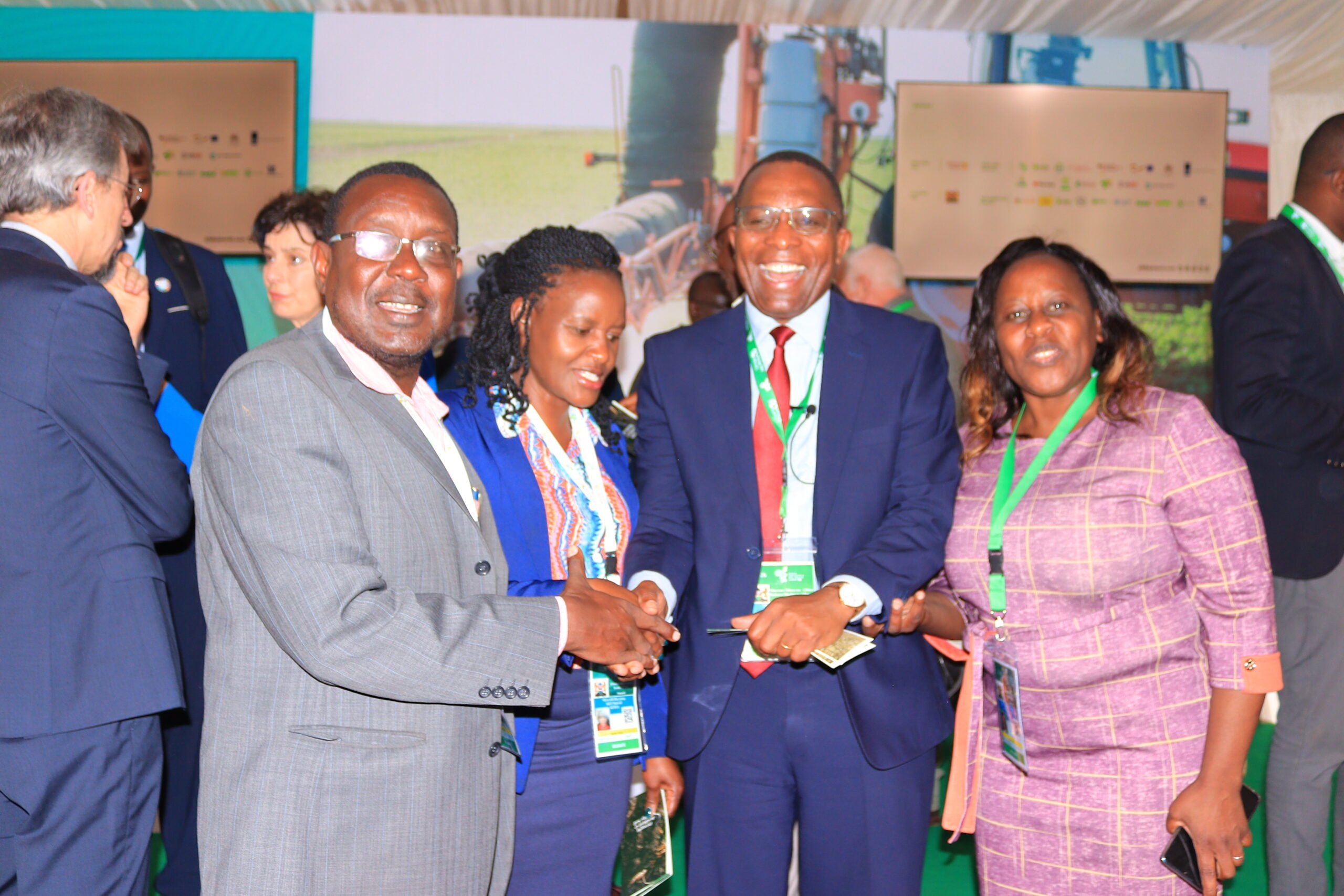

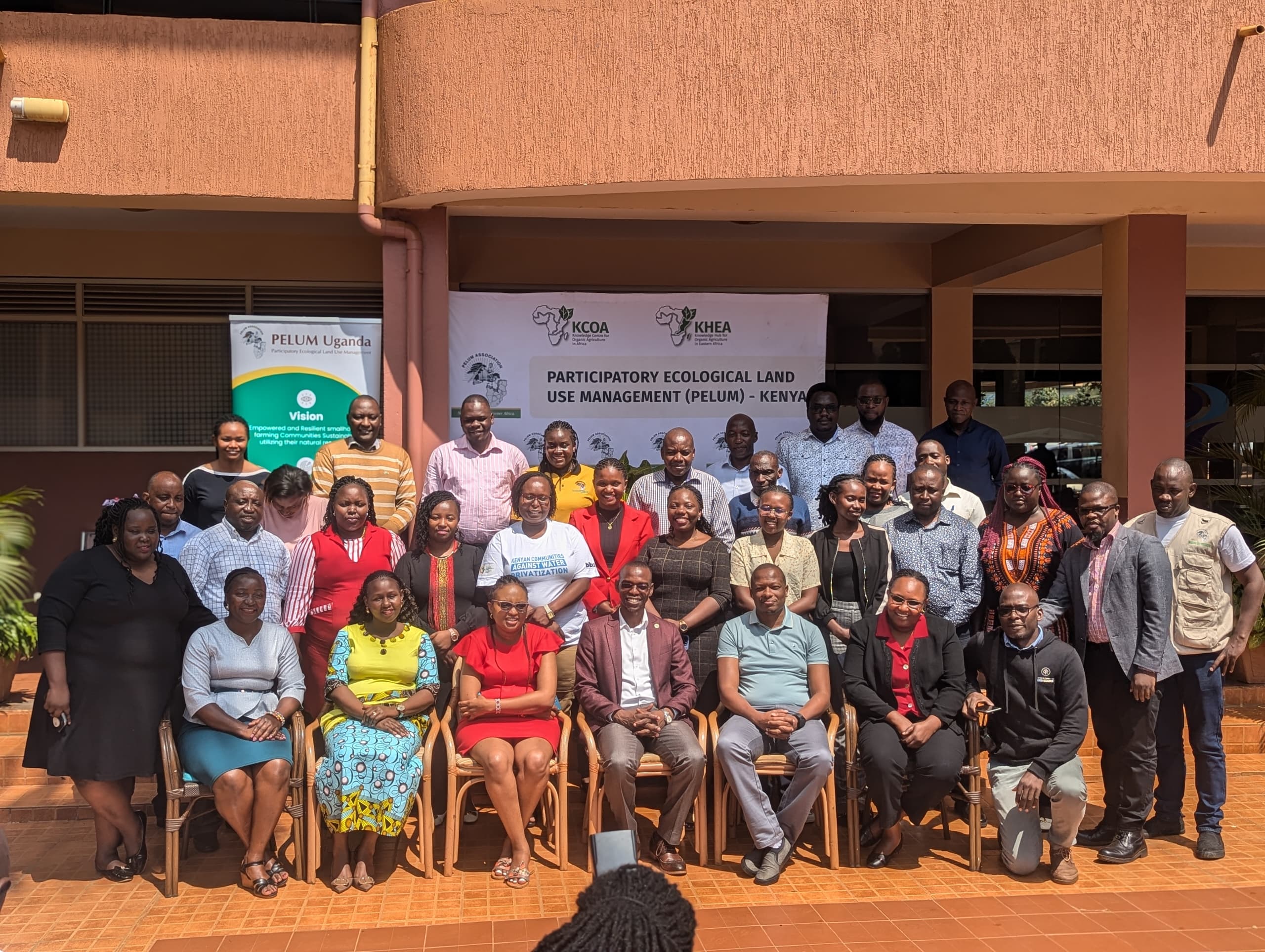
 PELUM Uganda a Co-Host and Country Implementing Partner (CIP) in Uganda on the KCOA-KHEA Project proudly hosted a team of 23 staff members from PELUM Kenya which is also a Country Implementing Partner (CIP) on the KCOA-KHEA Project in Kenya for a Gender Learning Exchange from August 19-23, 2024.
On August 21, the staff from both PELUM Country Chapters in Kenya and Uganda converged at Silver Springs Hotel in Bugolobi and exchanged and dialogued on Gender inclusiveness in the agriculture sector.
In her opening remarks, the Country Coordinator and KHEA Project Co-Host Coordinator, Mrs. Josephine Akia Luyimbazi, encouraged staff from both country chapters to fully utilize the vibrant platform for open dialogue, where diverse perspectives should be shared and valued.
🔍 Key Highlights discussed in the session:
The PELUM Uganda Head of Programs representative and KCOA-KHEA Project Manager, Francis Nsanga, and PELUM Kenya Head of Programs representative of the PELUM Kenya Country Coordinator, Manei Naanyu said in their opening remarks to the PELUM Country Chapters staff that, “Kenya and Uganda are making significant strides in promoting gender inclusiveness within the agricultural sector.”
As a vital area of focus on the KCOA-KHEA Project, gender equality is crucial for optimizing productivity and fostering sustainable agricultural practices. See link to the KCOA Gender Guide: https://khea-africa.org/knowledge-products-2/ which was launched recently by GIZ in partnership with the KCOA Hubs.
Through a short documentary, the KCOA hubs shared a snippet on what is in the KCOA Gender Guide, watch via this link: https://www.youtube.com/watch?v=4CIPt4zAT10
The staff from both organisations also held departmental exchanges to pick lessons and learn from one another to support better project implementation in the region.
A heartfelt thank you to the dedicated staff of PELUM Uganda and PELUM Kenya, as well as the PELUM Association Regional Secretariat, for their invaluable contributions and commitment to advancing gender equality.
Prepared by Pamella Magino
RSS Feeds from KCOA Multiplier network

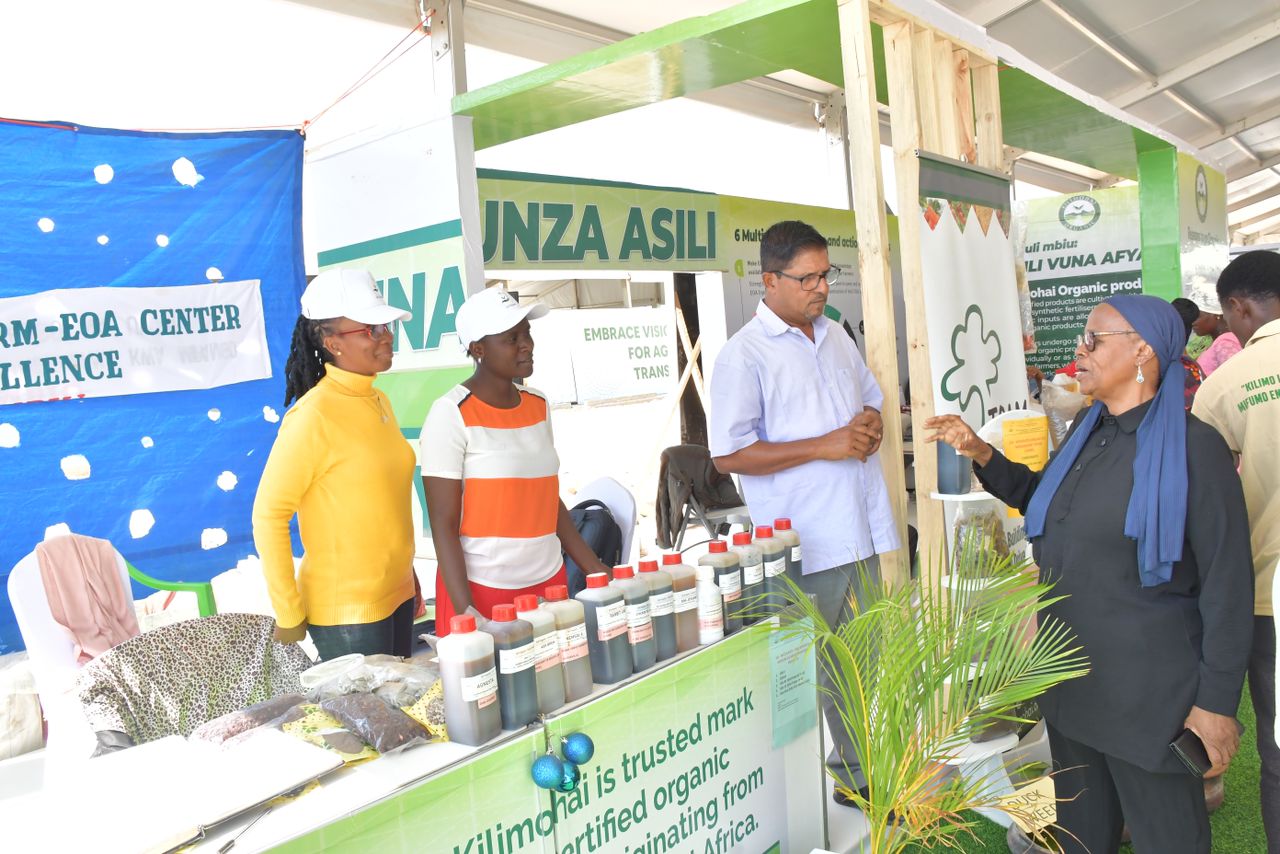
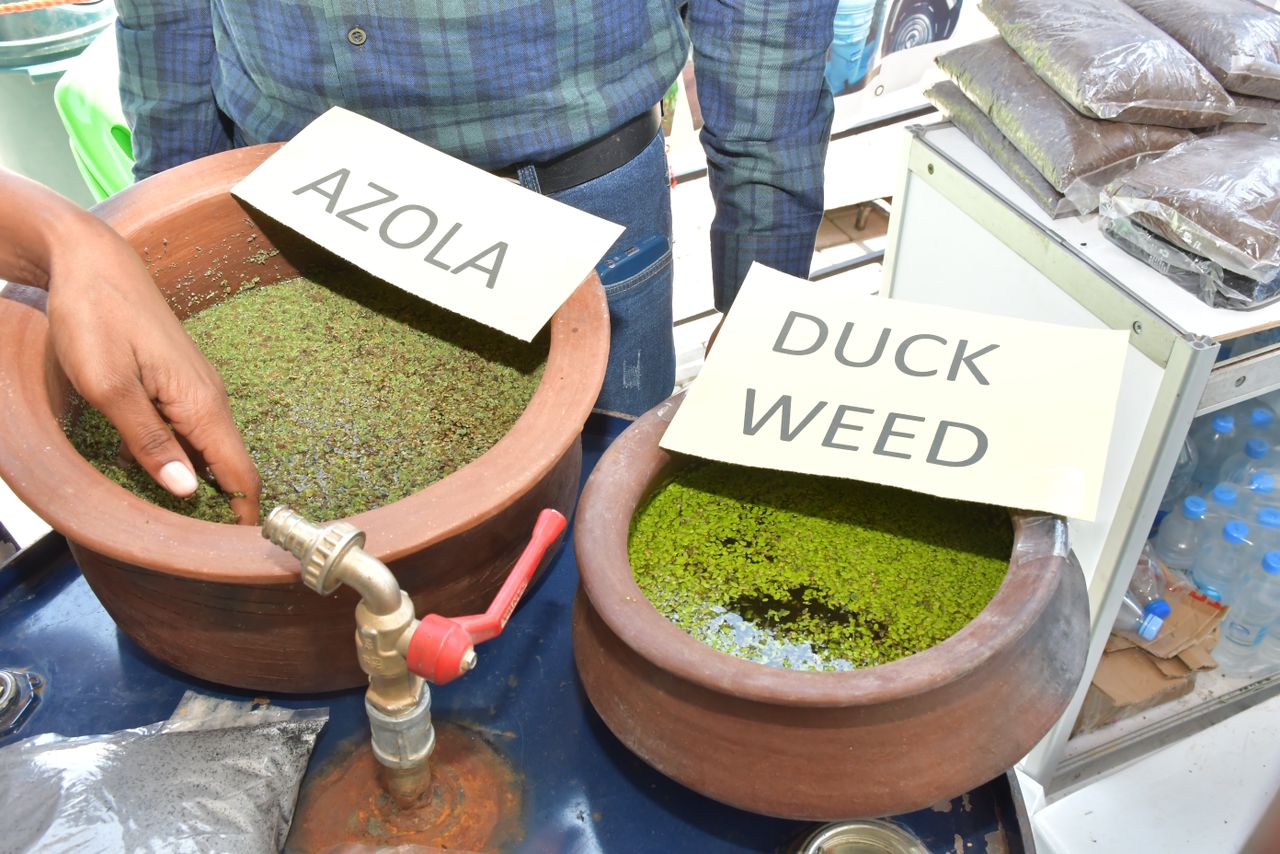
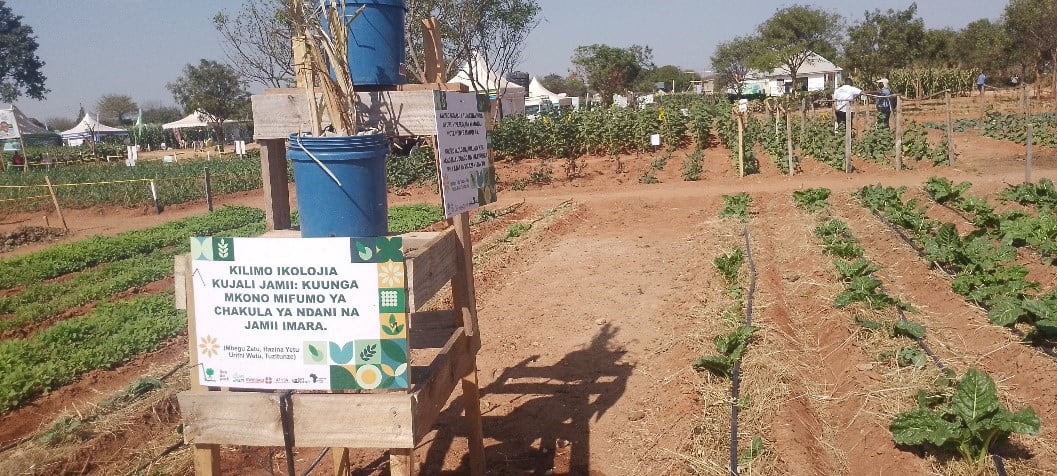
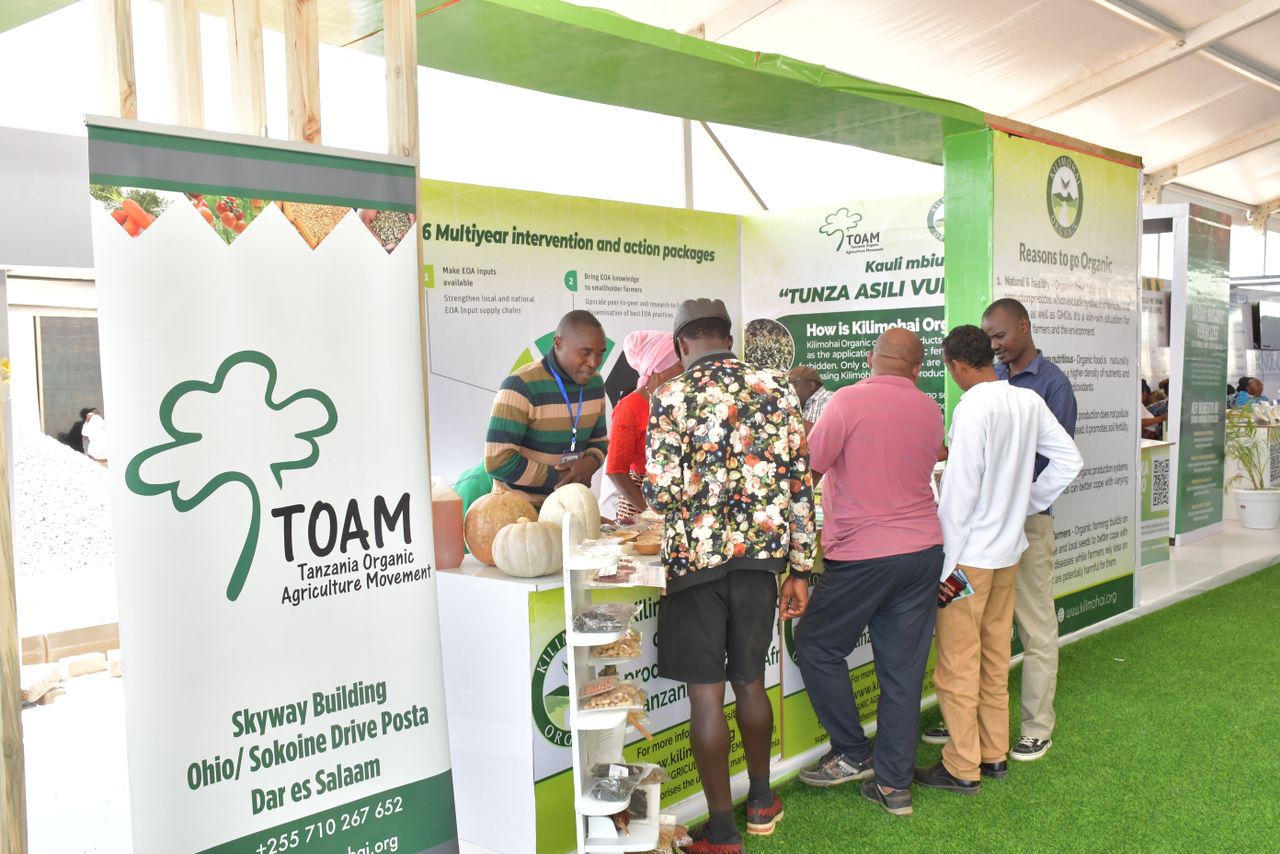 Tanzania Organic Agriculture Movement (TOAM) a Country Implementing Partner on the KCOA-KHEA Project participated in the National Farmers Exhibition Week (NANE NANE) from the 1st to the 8th of August 2024. The main objective of TOAM’s participation in the NANE NANE was to promote Organic Agriculture and Agroecology innovations to optimize the health and productivity of interdependent communities of soil life, plants, animals, and people.
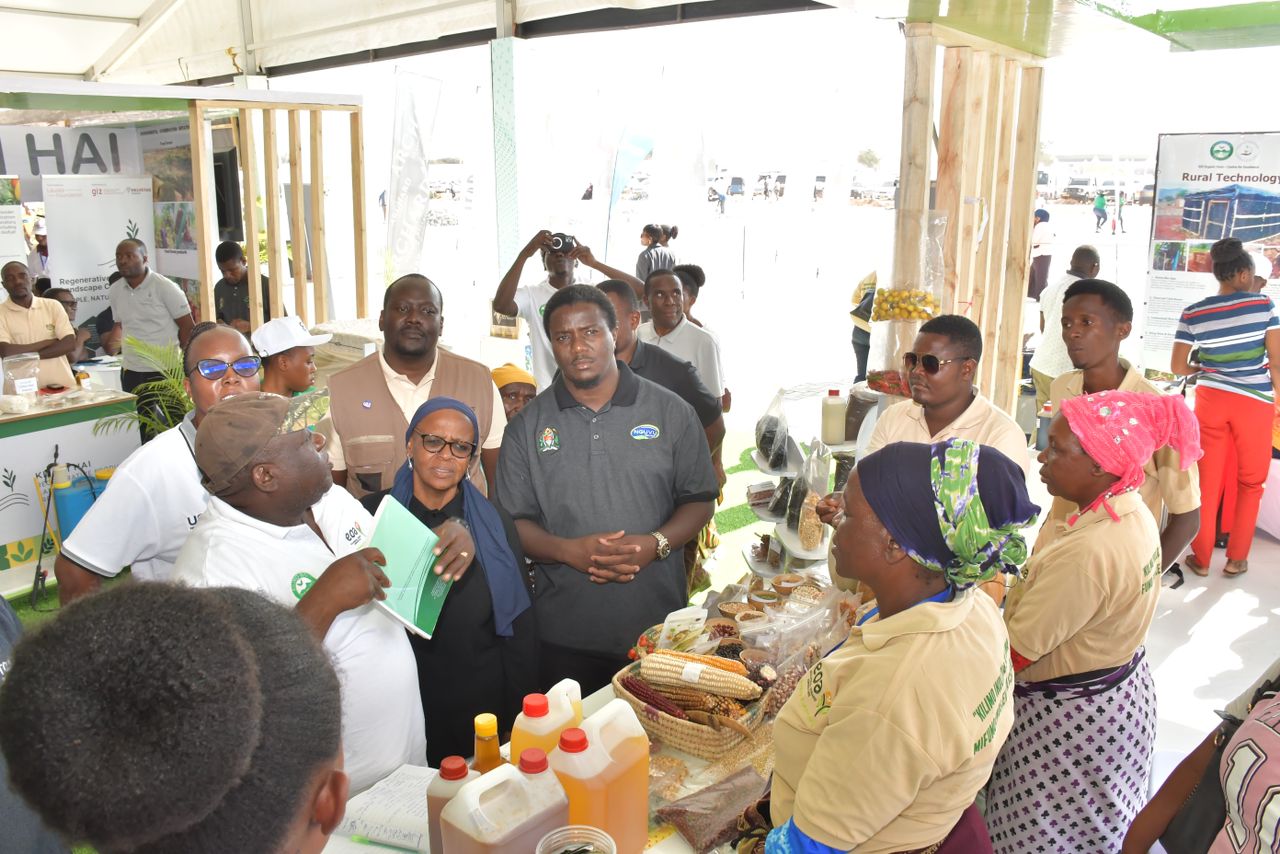
TOAM, leading the Agroecology Consortium Corridor, brought together diverse stakeholders to showcase innovations in organic farming. Government officials, policymakers, and researchers visited the corridor, recognizing the achievements in agroecology. Over 256 attendees engaged with the exhibits.
The Agroecology Consortium included partners such as Sustainable Agriculture Tanzania (SAT), PELUM Tanzania, SJS Organic Farm, Organic Inputs Partners as well as Market Actors and HELVETAS, among others. The consortium displayed a range of technologies and knowledge products, including indigenous seeds, bio-inputs, and organic agriculture products.
The agroecology/organic agriculture actors used the National Ecological Organic Agriculture Strategy to emphasize the benefits of ecological organic farming, including environmental sustainability, economic viability, and social well-being. The discussions covered policy support, research and innovation, market development, and capacity-building programs essential for the successful implementation of NEOAS.
Through dialogues, key discussions during the event included seed sovereignty and the role of indigenous seeds in sustainable agriculture. The consortium emphasized the benefits of ecological organic farming, including environmental sustainability and market development.
The KHEA Project supported 15 participants, including Multipliers, Master Trainer, farmers and project officers from Saint Joseph School (SJS) organic farm Centre of excellence on the KCOA-KHEA Project, enhancing networking and knowledge exchange.
Exhibits featured composting techniques, organic fertilizers, and innovative irrigation systems. Among other participants were the KCOA-KHEA Project Associate Partners like; Sustainable Organic Agriculture Tanzania (SAT) from Morogoro region, Floresta Tanzania from Kilimanjaro region, and Njombe Southern Highland Development Association (NSHDA) from Njombe region.
During the exhibition, TOAM showcased some knowledge products such as; 18 days Compost, BIM bokashi, CRN Carbon, BIM organic potassium, BIM organic DAP, Rabbit urine, and Fish Amino Acids.
TOAM and its partners used the platform to advance sustainable agricultural practices and advocate for policies supporting organic agriculture and agroecology in Tanzania.
Prepared by TOAM Edited by Pamella Magino
RSS Feeds from KCOA Multiplier network
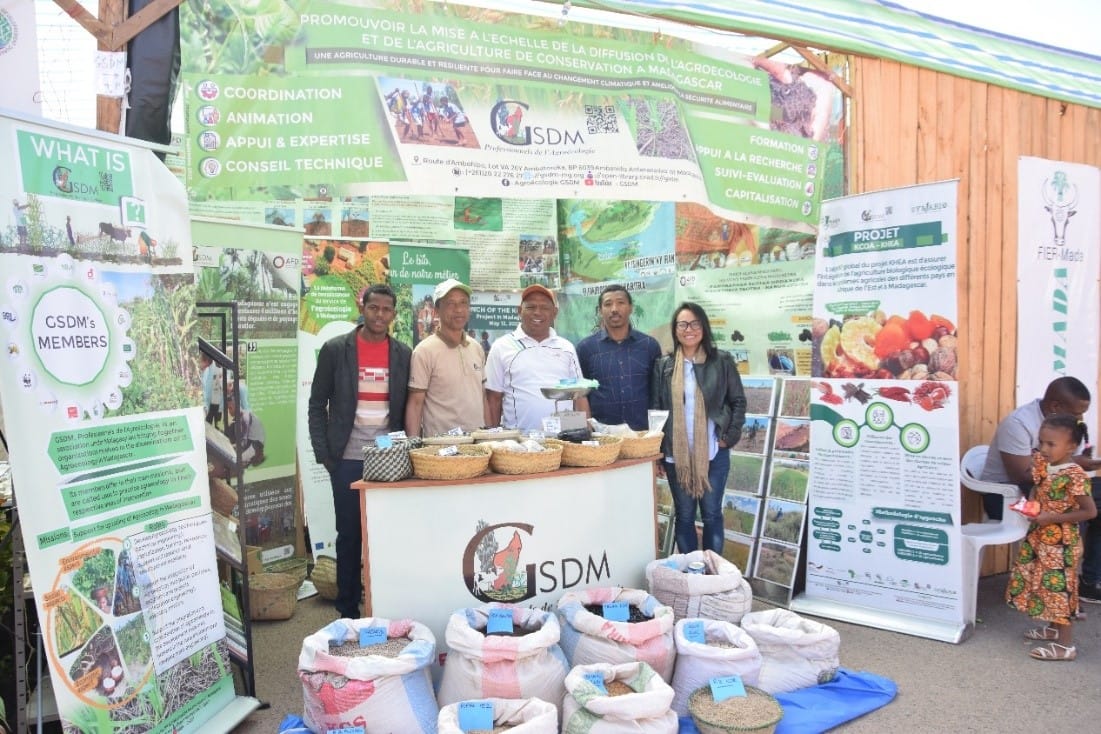
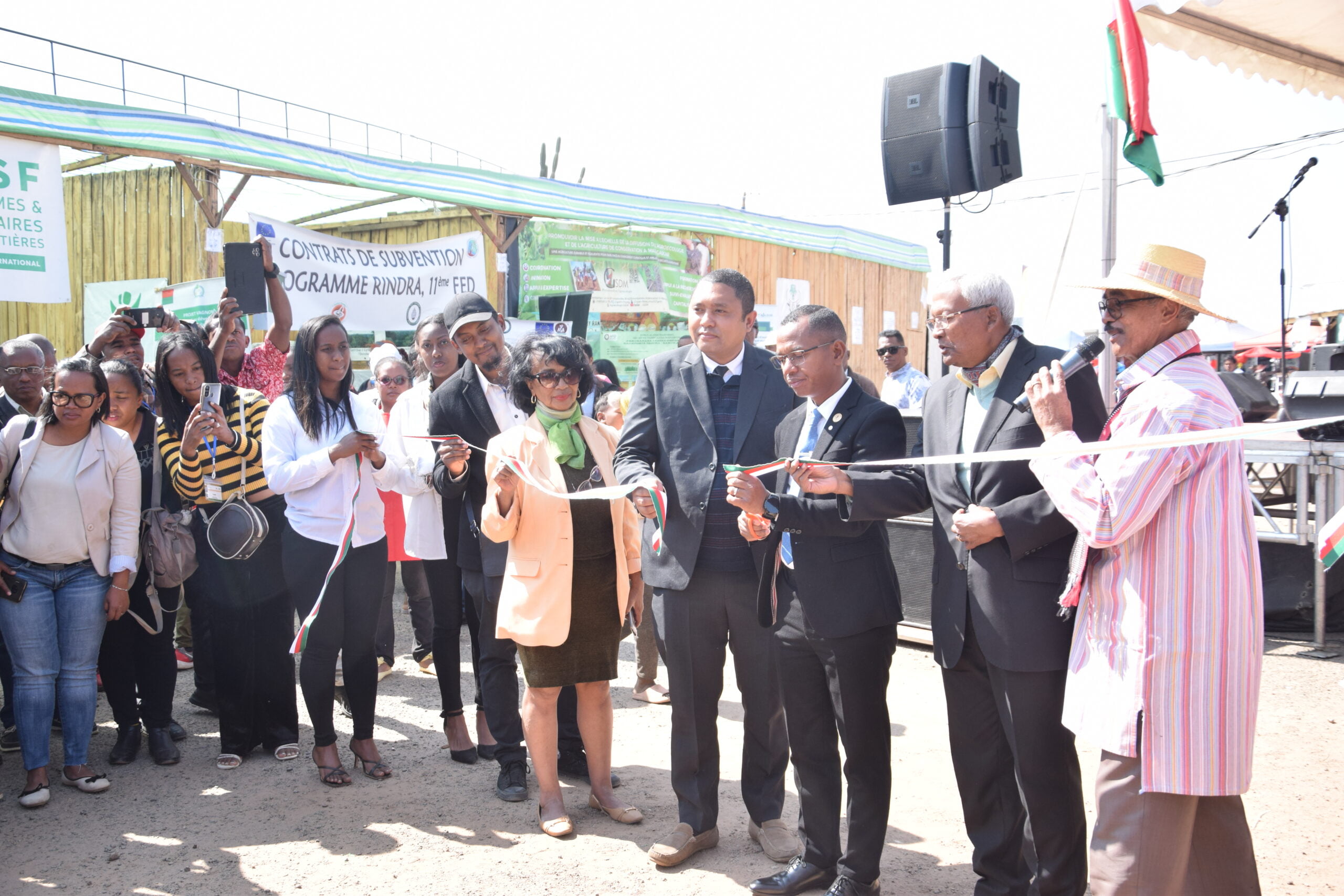
The 25th edition of FIER MADA took place at the Makis Andohatapenaka stadium, from 7 to 11 August 2024. In 25 years, visitors have become accustomed to see an exceptional experience for each edition, with discoveries, multi-sectoral innovations, commercial exchanges and knowledge.
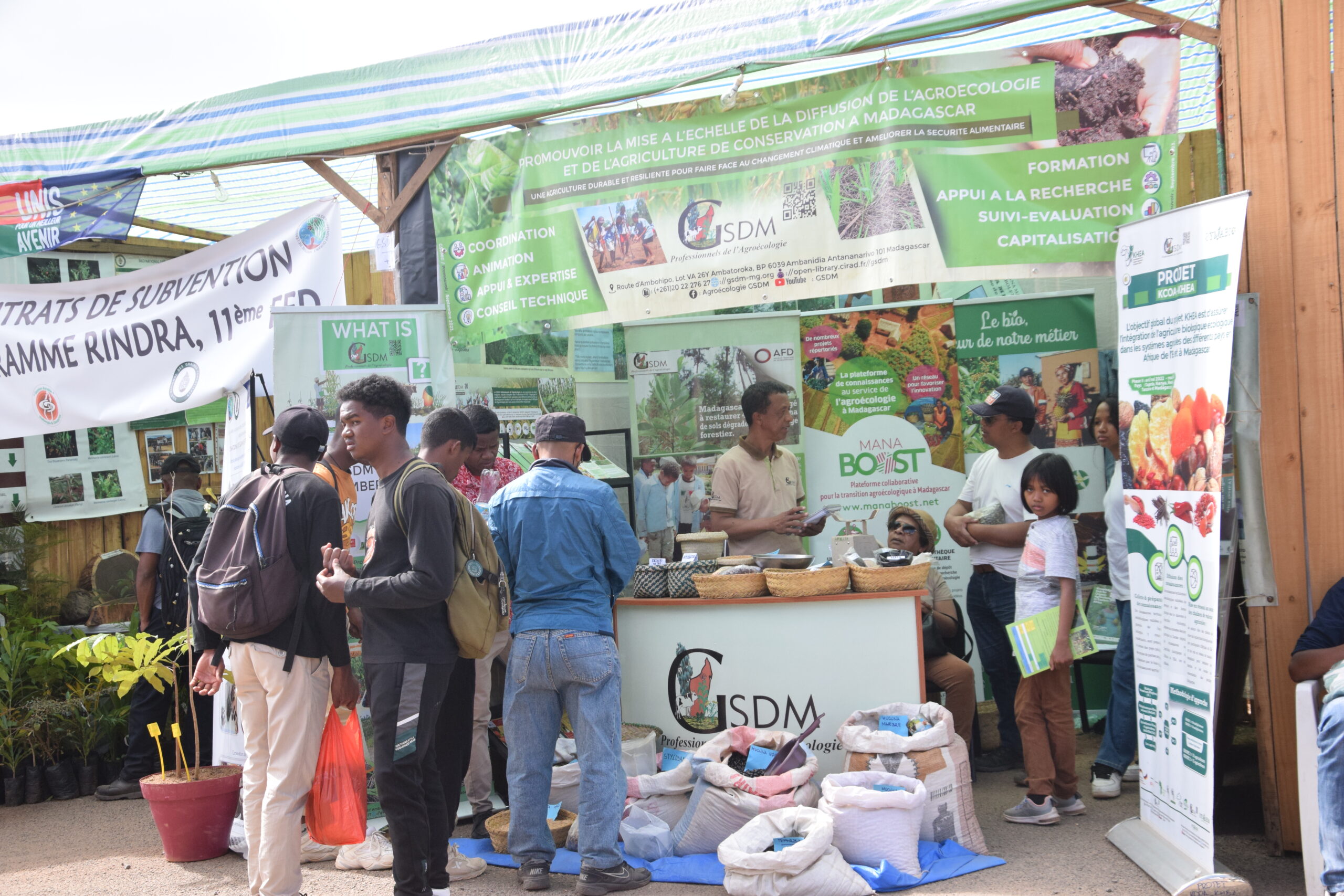
GSDM and SYMABIO a Country Implementing Partner on the KCOA-KHEA Project, also professionals in Agroecology, participated for the 10th time this year 2024 through the ALEFA Agroecology and KCOA-KHEA Project. It has been noted that the agricultural sector is regaining an important and crucial place in rural development. Farmers are panicking at the idea of making their farms as profitable as possible and making them resilient against climate change and the impacts of mining agriculture.
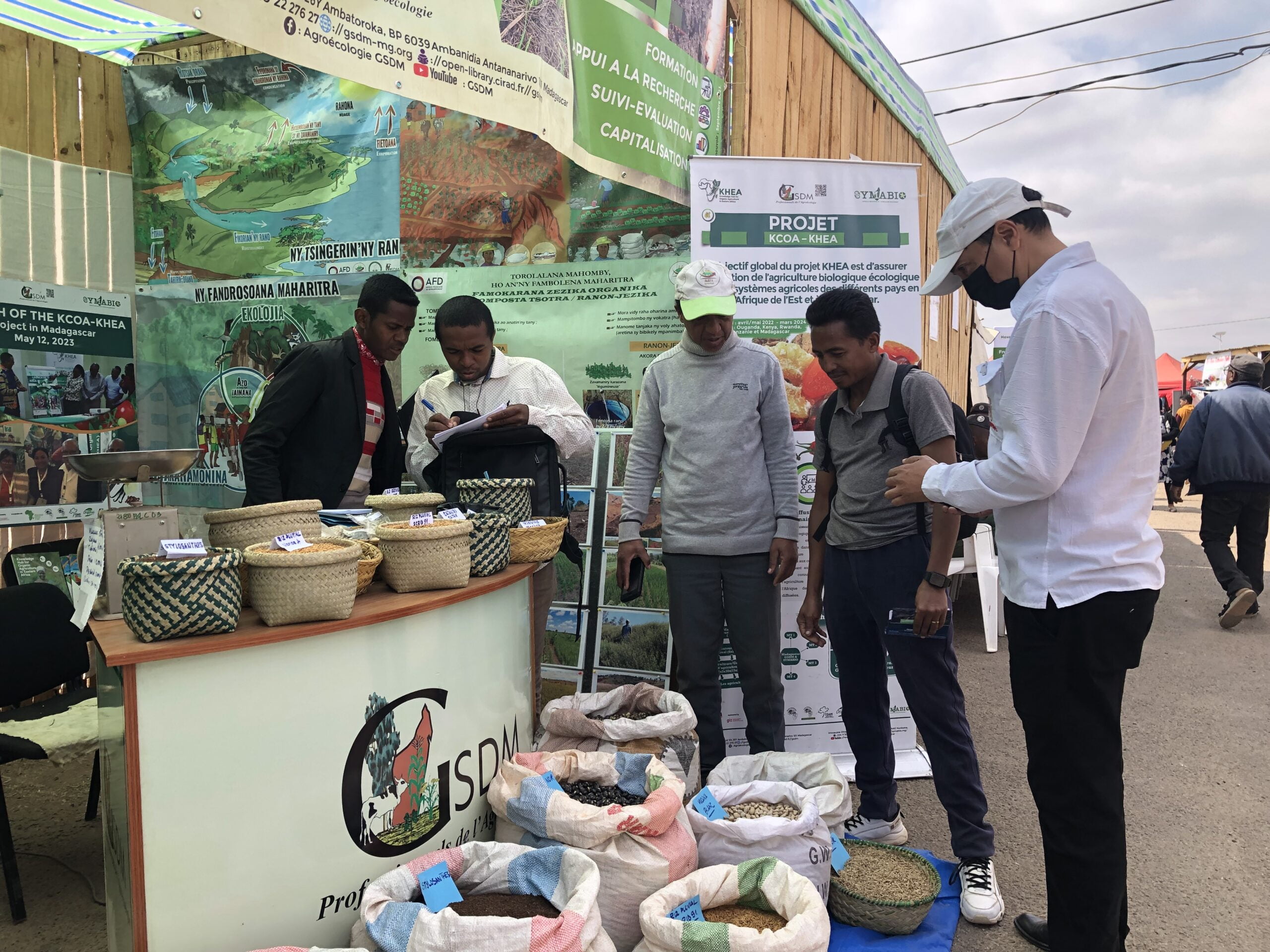
During this event, the crowd visited the GSDM stand for technical advice, sharing of experiences and acquisition of various seeds. This saw the passage of different farmers from all regions of Madagascar.
A technician and a farmer leader of the ALEFA project received the visitors in the stand where they shared the knowledge and opportunities linked to the adoption of good agricultural practices, in general, the agroecology. Conservation agriculture and soil fertilization also attracted the attention of visitors. Many of them returned every day during the fair to acquire as much practical advice as possible.
Organic farming was also mentioned during this event, a theme which interests more and more farmers, mainly because of the use of non chemicals products on crops.
During the fair, the KCOA-KHEA Project highlighted the promotion of knowledge products on agri-bio by supporting the participation of the “Entraide et Fraternity” consortium. These are partner organizations hosting some of the KHEA Multipliers who have benefited from training through the KCOA-KHEA Project, made up of CARITAS Antsirabe, FTM/CPM and the ST BENOIT Fénérive-Est Center.
Prepared by GSDM Edited by Pamella Magino
RSS Feeds from KCOA Multiplier network
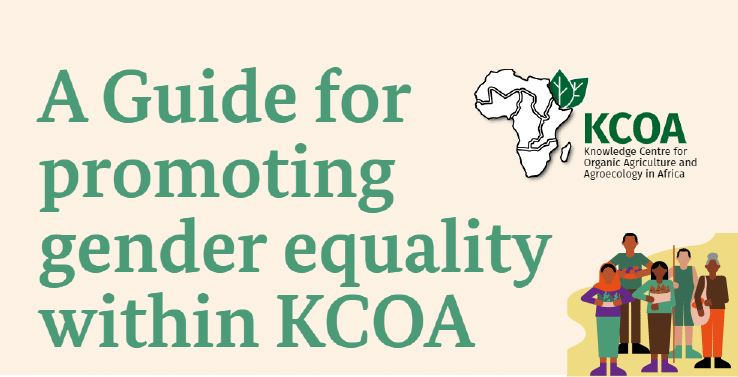
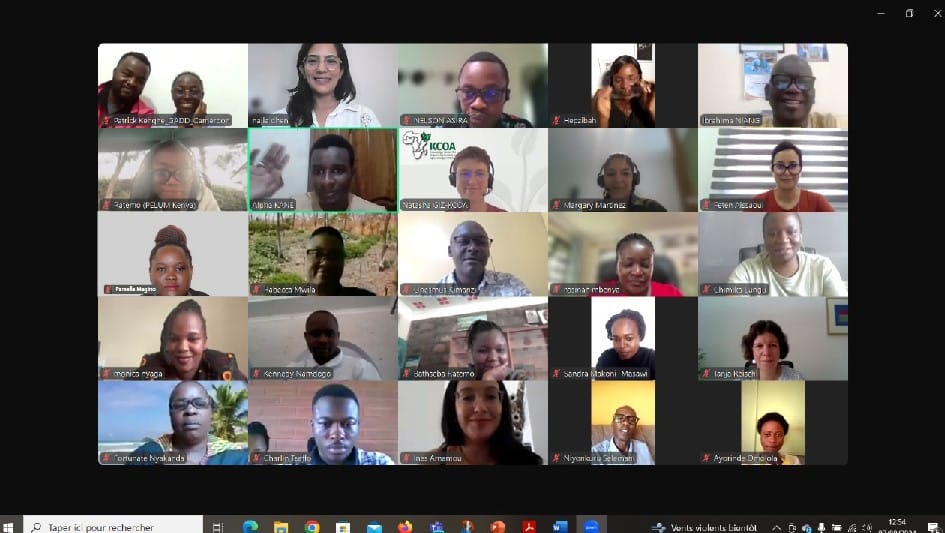
“And remember that this guide is not only a document but a tool that your organization can use to incorporate gender equality into its activities.” With these words, Najla Dhen, Multiplier’s coach (KHNA), closed the launching event of the KCOA´s Gender Guide.
Around 100 participants from various fields related to the African agri-food systems attended the online event on August 7, from 11:00 to 13:00 CEST. These participants included farmers, partners of the KCOA Network, representatives from non-governmental organizations and women’s groups, and others. Both the GIZ and the KCOA Network were in charge of moderation.
What is the Gender Guide?
After having analyzed the regional and socio-cultural gender relations dynamics in the agricultural sector across over 15 countries in Africa, the focal points of the five Knowledge Hubs integrating the KCOA project came up with this document. The Gender Guide strategically presents means to take the participation of women in the project forward. It provides alternatives and insights to address the different forms of gender inequality to which women and girls contributing to the agri-food systems in Africa are regularly subjected.
What issues for women does the Gender Guide address?
The Guide acknowledges five main obstacles that could potentially prevent women from fully participating in and profiting from KCOA activities:
Should you also use the Guide?
As stated by Mrs. Dhen, the Guide is an engaging document, a tool that every organization seeking to strengthen a gender equality approach in their projects can implement. The guide covers 9 phases of a project; from design to evaluation, and ensures, therefore, that all possible areas where women might encounter difficulties are covered. The guide is also designed in such a way that every person can navigate it and find a suitable strategy to enrich their specific initiative.
Download the guide here Gender Guide_KCOA-English_2024
French Version : Guide sur l’égalité des Genres_CCAB-Francais_2024_f
RSS Feeds from KCOA Multiplier network
Ce document est le résultat d’un travail participatif et collaboratif entre les cinq pôles de connaissances du CCAB, afin de fournir un guide unique et clair permettant de s’assurer que les questions de genre sont prises en compte dans toutes les activités du CCAB et qu’elles font partie intégrante de sa mission.
This document is the result of a participatory and collaborative effort across the five knowledge hubs to
provide a central, comprehensive guide to ensure that the topic of gender cuts across all KCOA activities and becomes fully engrained in its mission.

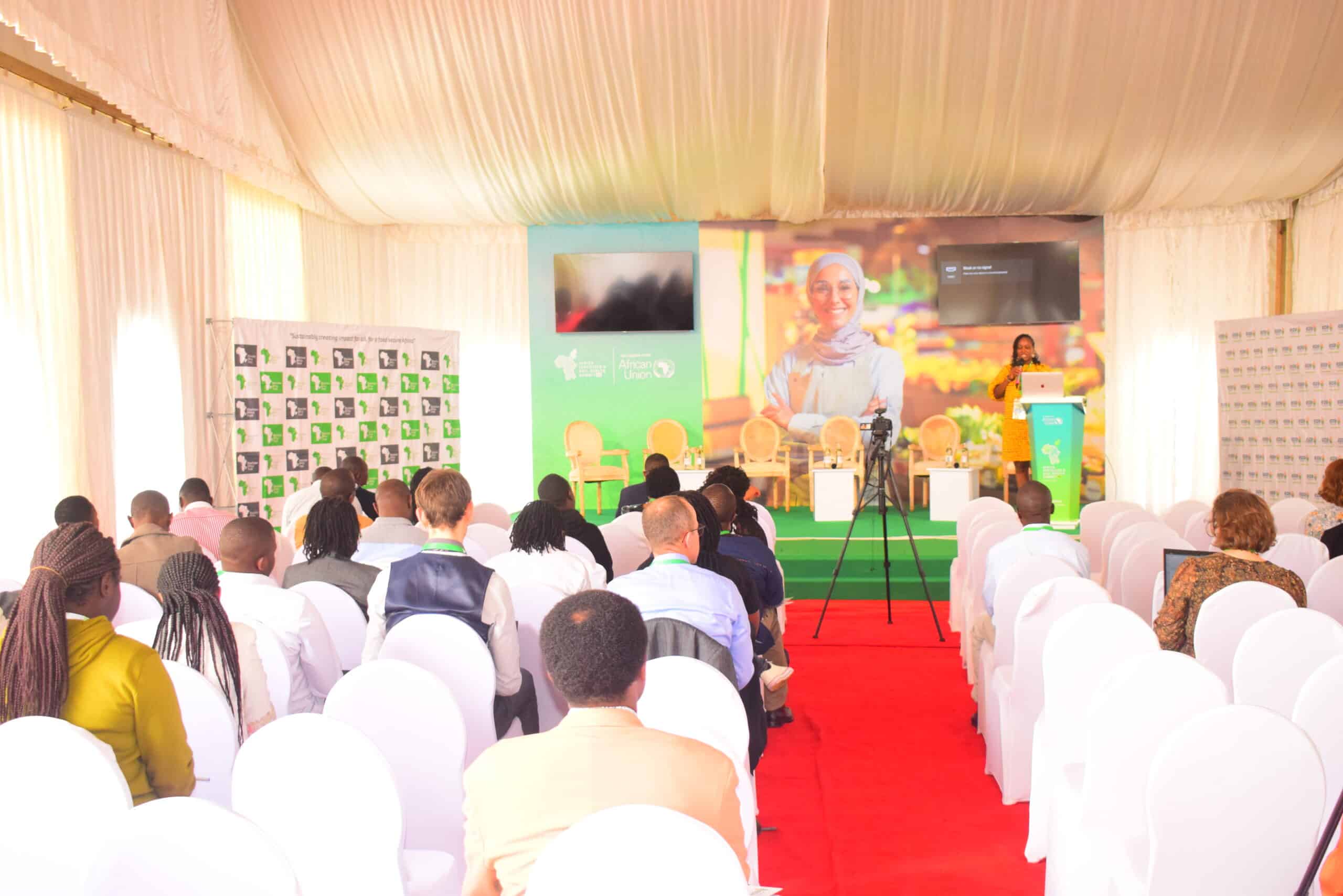
Given the increased recognition of the importance of soil health and the enhanced focus on sustainable soil management practices, the demand and need for soil health assessment is ever growing. It is against this backdrop that the Africa Fertilizer & Soil Health Summit was organised in Nairobi from the 7th to 9th of May 2024.
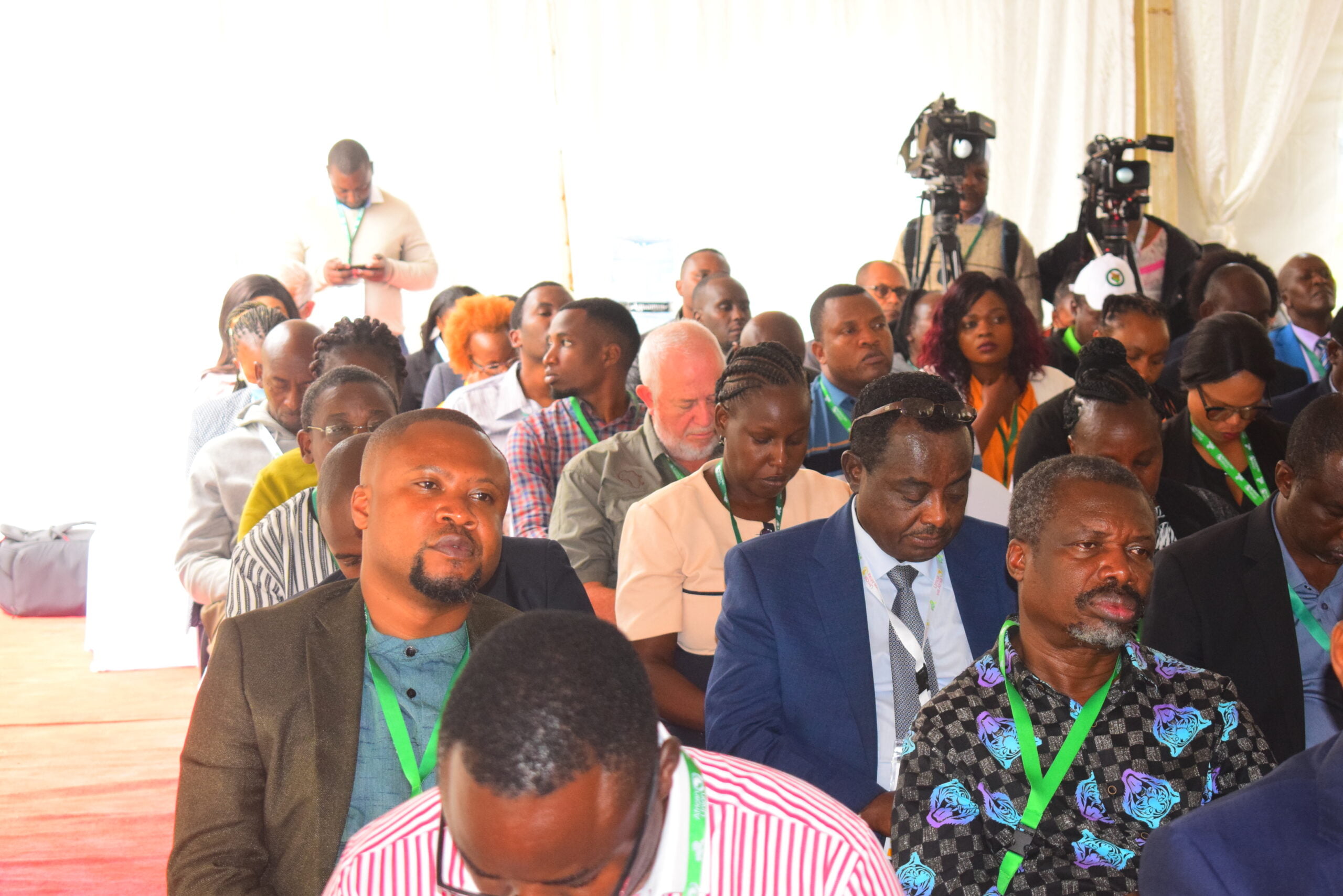
Agricultural enthusiasts converged in Kenya’s capital of Nairobi under the auspices of the Department of Agriculture, Rural Development, Blue Economy and Environment (DARBE) of the African Union, in collaboration with AUDA-NEPAD, RECs, and partners. The summit delegates discussed various issues around fertiliser and soil health in Africa and the implications on the agricultural, health, and social well-being of the continent. This took place through a series of exhibitions, side events, and plenary sessions.
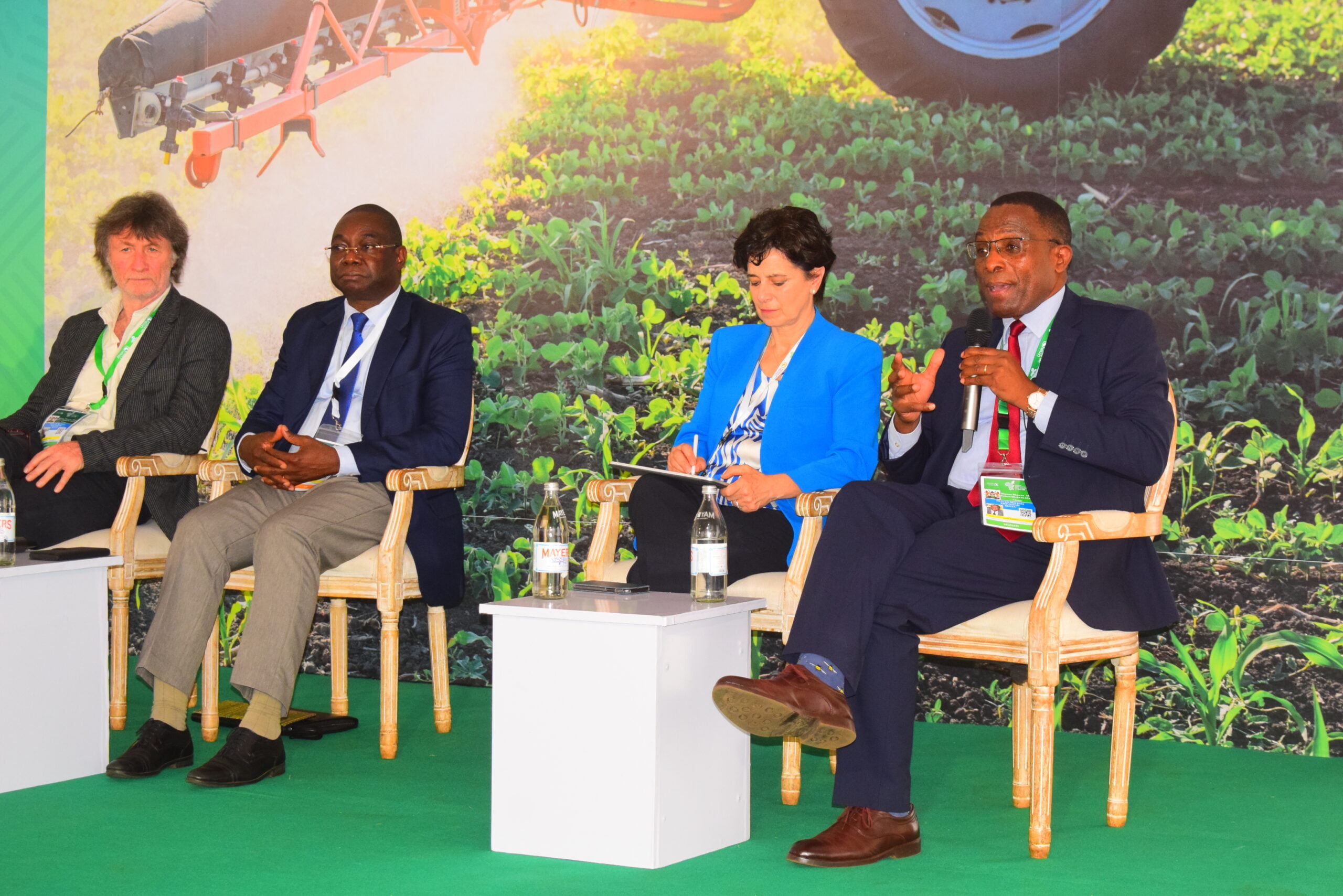
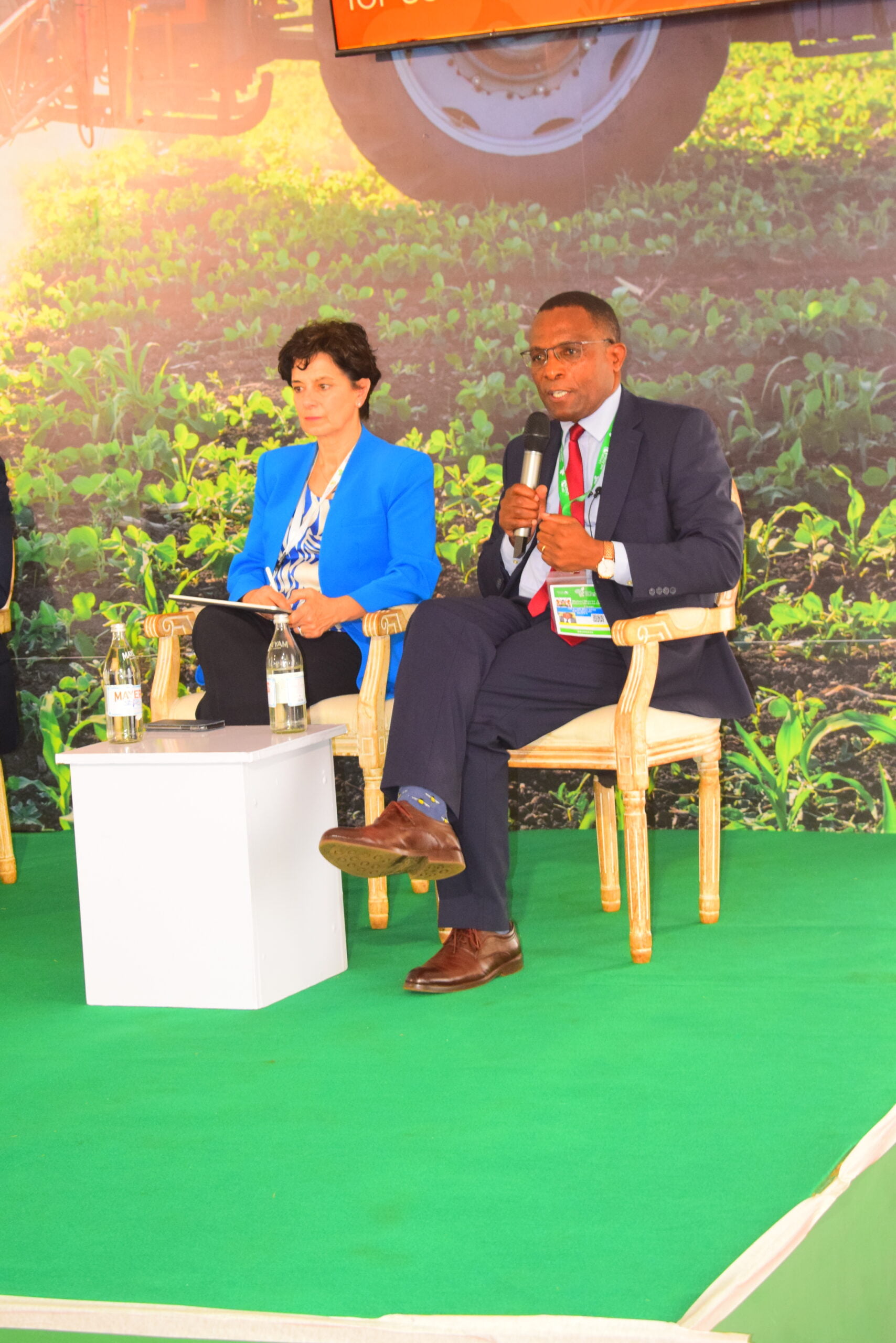
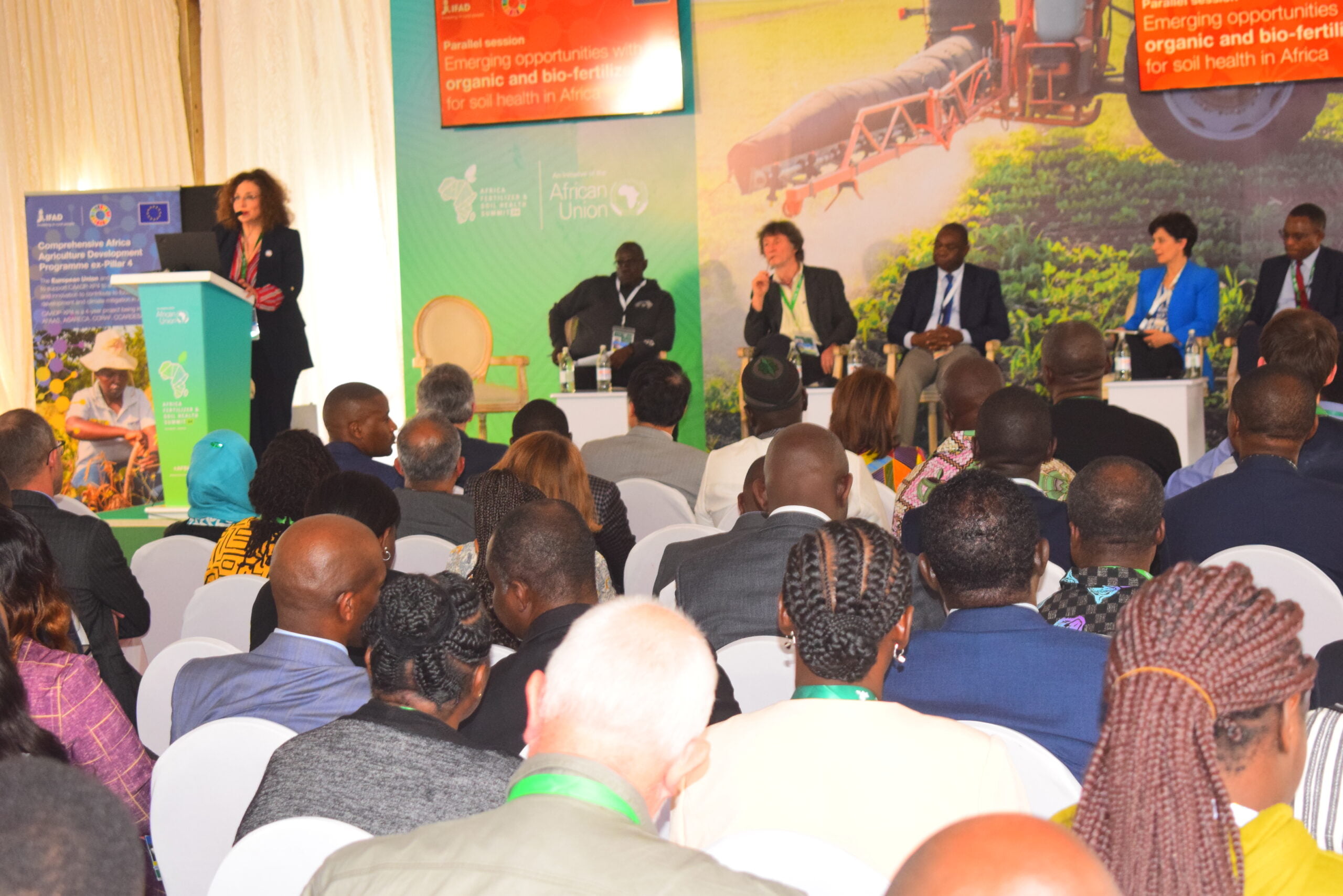
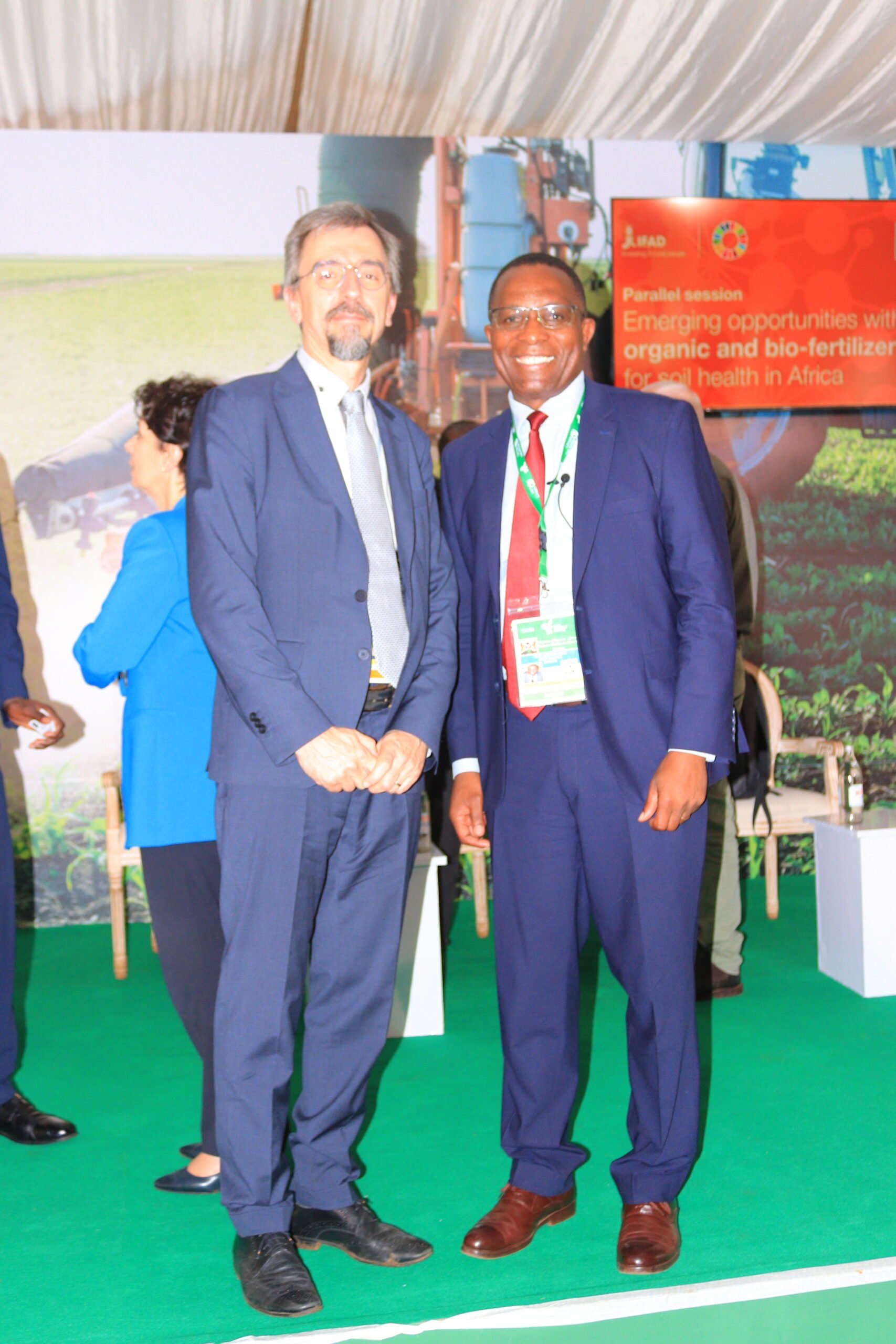
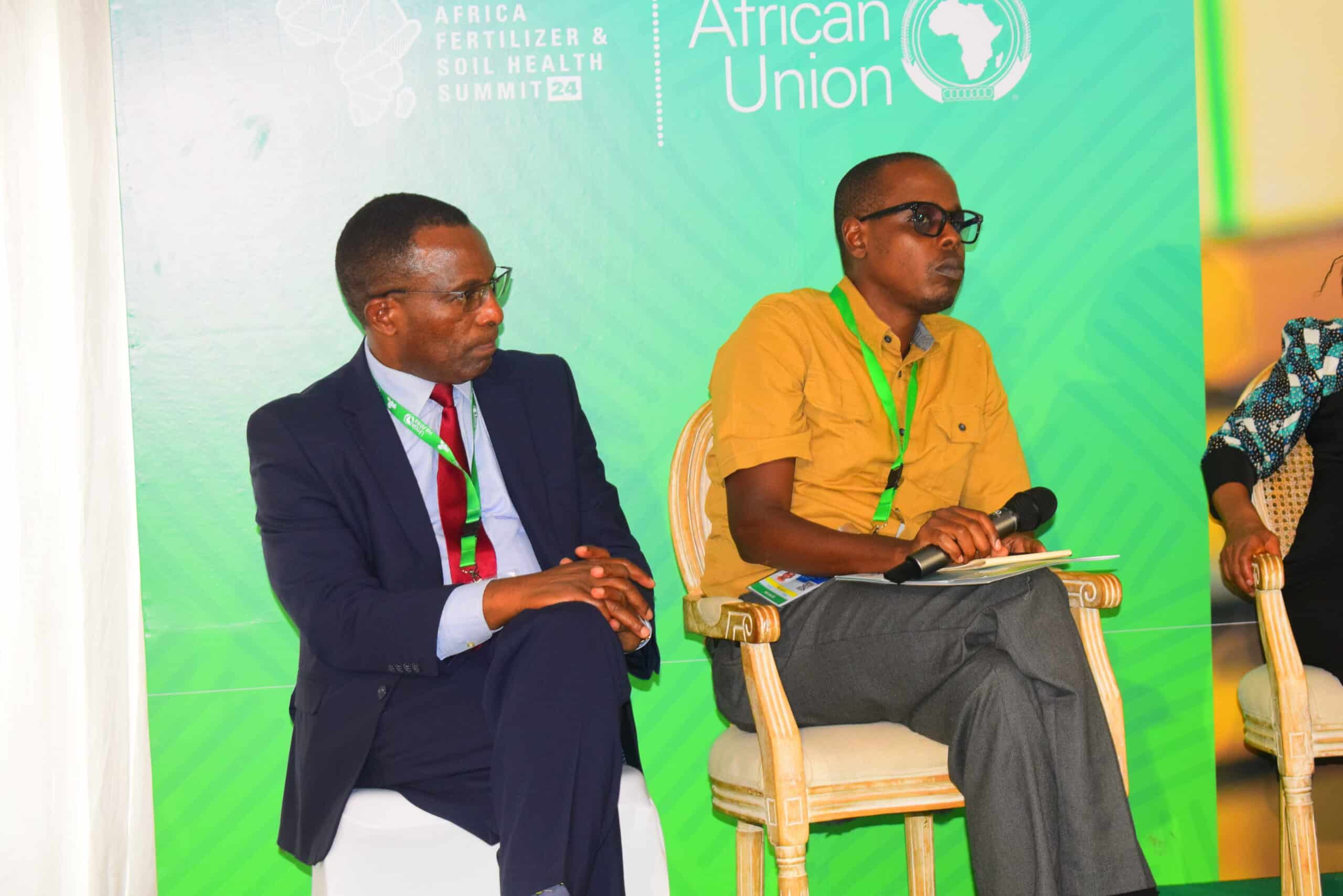
BvAT was well represented in these discussions with its Executive Director Dr. David Amudavi, participating in a side event hosted by the European Commission (EC). The event focused on ‘Emerging opportunities with organic and bio-fertilizers for soil health in Africa
The objective of the EU Parallel side event was to raise awareness regarding the realities and the potential of organic fertilizers and biofertilizers in Africa and to identify pathways to boost the production and use of these inputs to address soil health and food production productivity. In this parallel session the results of the scoping study were shared, and several panellists shared their views and perspectives regarding the potential of commercial organic fertilizer and biofertilizer production.
The session kicked off with a Keynote presentation ‘on an EU-funded “Scoping study” on Exploring the off-farm Production of Organic and Biofertilizers in Africa, done by Prof. Bernhard Freyer, (Institute of Organic Farming, BOKU University of Natural Resources, Austria); followed by a panel discussion. With a view to inform policy dialogue addressing the fertiliser crisis and food security challenges, and for promoting an integrated approach to soil health management, the EU (DG INTPA) commissioned a scoping study on the off-farm production and marketing of organic fertilizers and biofertilizers in 12 case study countries in Africa.
The study addresses the use and acceptance of off-fam organic fertilizers and biofertilizers, the potential development of these inputs especially by recycling urban wastes, the marketing systems, the support services (research and advisory services), the national policies and regulatory framework.
Dr. Amudavi, in his keynote speech intervened on ‘AU Ecological Organic Agriculture initiative and its contribution to the post-Malabo Declaration, and role for organic and bio-fertilisers in the EOA initiative’.
He highlighted significant opportunities for promoting organic and bio fertilizers in Africa. He pointed to the African Continental Free Trade Area (AfCFTA) as a key platform that can enhance the development of this sector by facilitating trade among African countries, particularly in sustainable production inputs. Additionally, he emphasized the growing market demand for organically and environmentally produced foods, which creates further opportunities for the adoption of organic and bio fertilizers.
Dr. Amudavi also mentioned the political goodwill and mechanisms, such as the Comprehensive Africa Agriculture Development Programme (CAADP), that hold member states accountable for their agricultural investments. He noted that the biannual review reporting mechanism recognizes the importance of organic fertilizers, presenting another crucial opportunity for growth in this sector.
On the other hand, Dr. Abdou Tenkouano, Director General of ICIPE, stated that our livelihoods and health rely on healthy soil, which includes minerals and the life beneath the surface. He noted that the research conducted by ICIPE aims to boost crop productivity by increasing mineral availability and restoring life in the soil.
Other keynote speakers that participated in the event included Dr. Oscar Aghan (Chief Executive Officer, Eco Bio Fertilizer company), Dr. Abdou Tenkouano (Director General ICIPE), Ms. Musa Sowe (President NACOFAG, The Gambia), Prof. Bernhard Freyer (BOKU University),Ms. Sara Mbago-Bhunu (Director of IFAD’s East and Southern Africa (ESA)) and Ms. Carla Montesi (Director DG/INTPA European Commission)
Prepared by Hudson Were
RSS Feeds from KCOA Multiplier network
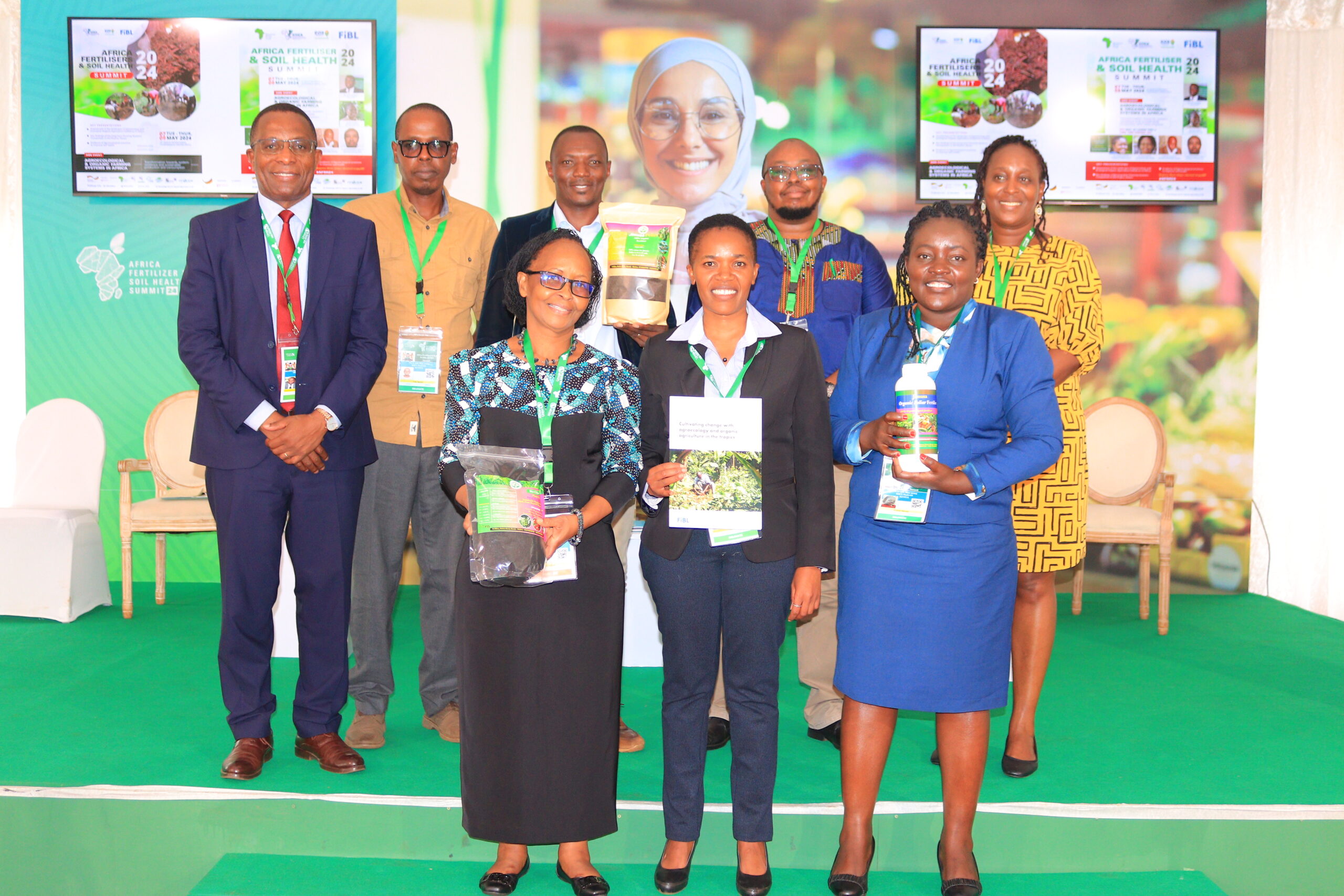
Biovision Africa Trust (BvAT) participated in the just concluded Africa Fertilizer and Soil Health Summit, held in Nairobi, Kenya from 7-9 May 2024 at the Kenyatta Internatiaonal Confrence Centre ( KICC). The summit deliberated and sought solutions to Africa’s widespread soil quality degradations on our farmlands – a challenge that impacts our agricultural productivity and food security in the long run.
During the event, BvAT under the umbrella of the KCOA and the EOA Initiative and partners FiBL, Pelum Kenya and GBIACK, ran an exhbition booth where we showcased our various interventions in promoting soil health like using bio-fertilisers as opposed to harmful chemical fertilisers. The booth promoted interaction with delegates, learning from our interventions who marvelled at the products and innovations we are promoting to enhance soil health in the continent.
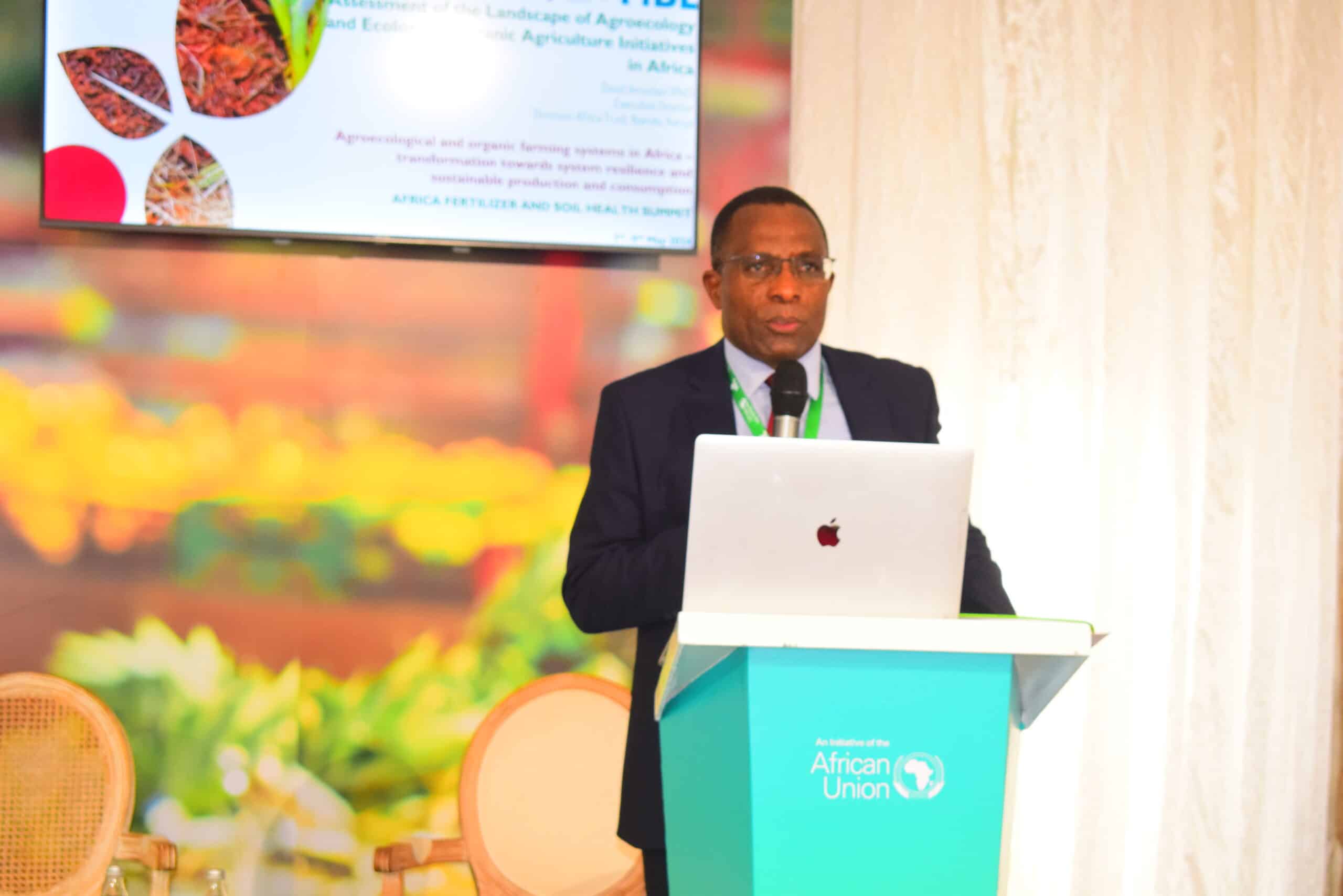
During the summit, BvAT hosted a side event on the second day under the theme; Soil matters, Care for it! on the title; “Agroecological and Organic Farming Systems in Africa– transformation towards System Resilience and Sustainable Production and Consumption”
BvAT did this through The Knowledge Hub for Organic Agriculture and Agroecology in Eastern Africa (KHEA) and the Ecological Organic Agriculture Initiative (EOA-I), in partnership with the Research Institute of Organic Agriculture (FiBL).
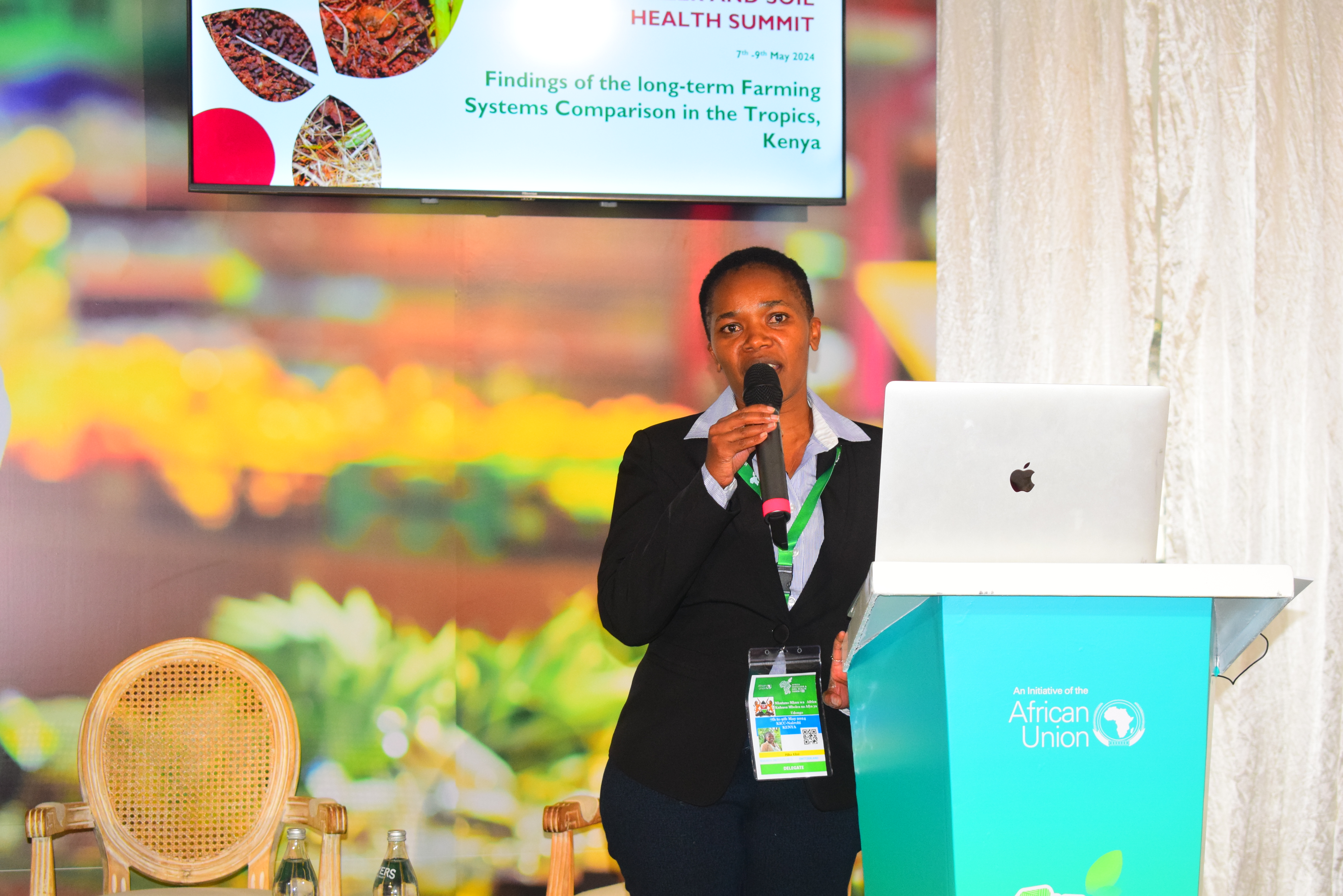
The side event comprised of two presentations and a panel discussion. Presentations were made by Dr. David Amudavi (BvAT) and Dr. Milka Kiboi (FiBL) looking at the landscapes of agroecology and initiatives in Africa and sharing the findings of the long-term farming systems comparison in the tropics, Kenya – SysCom program respectively.
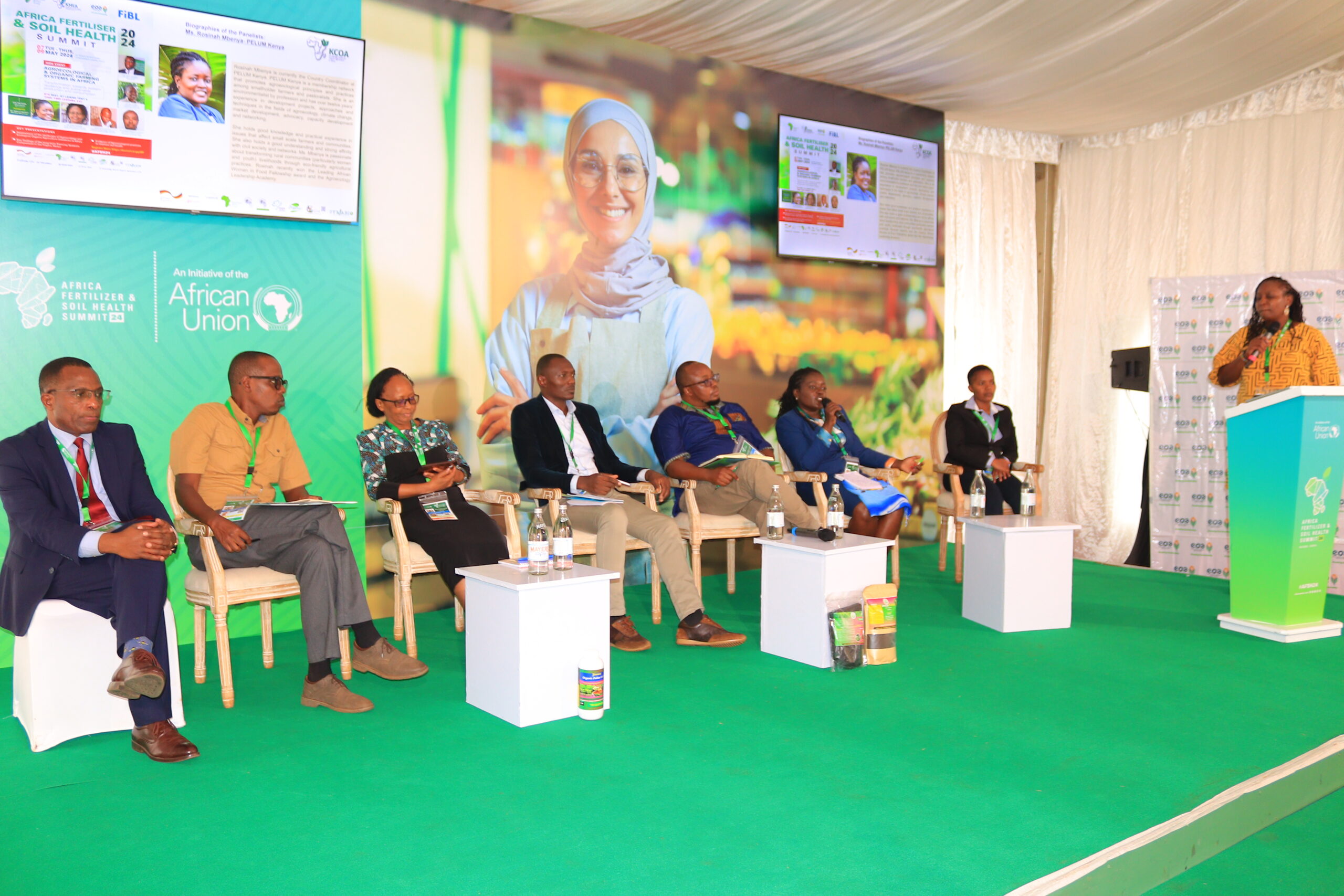
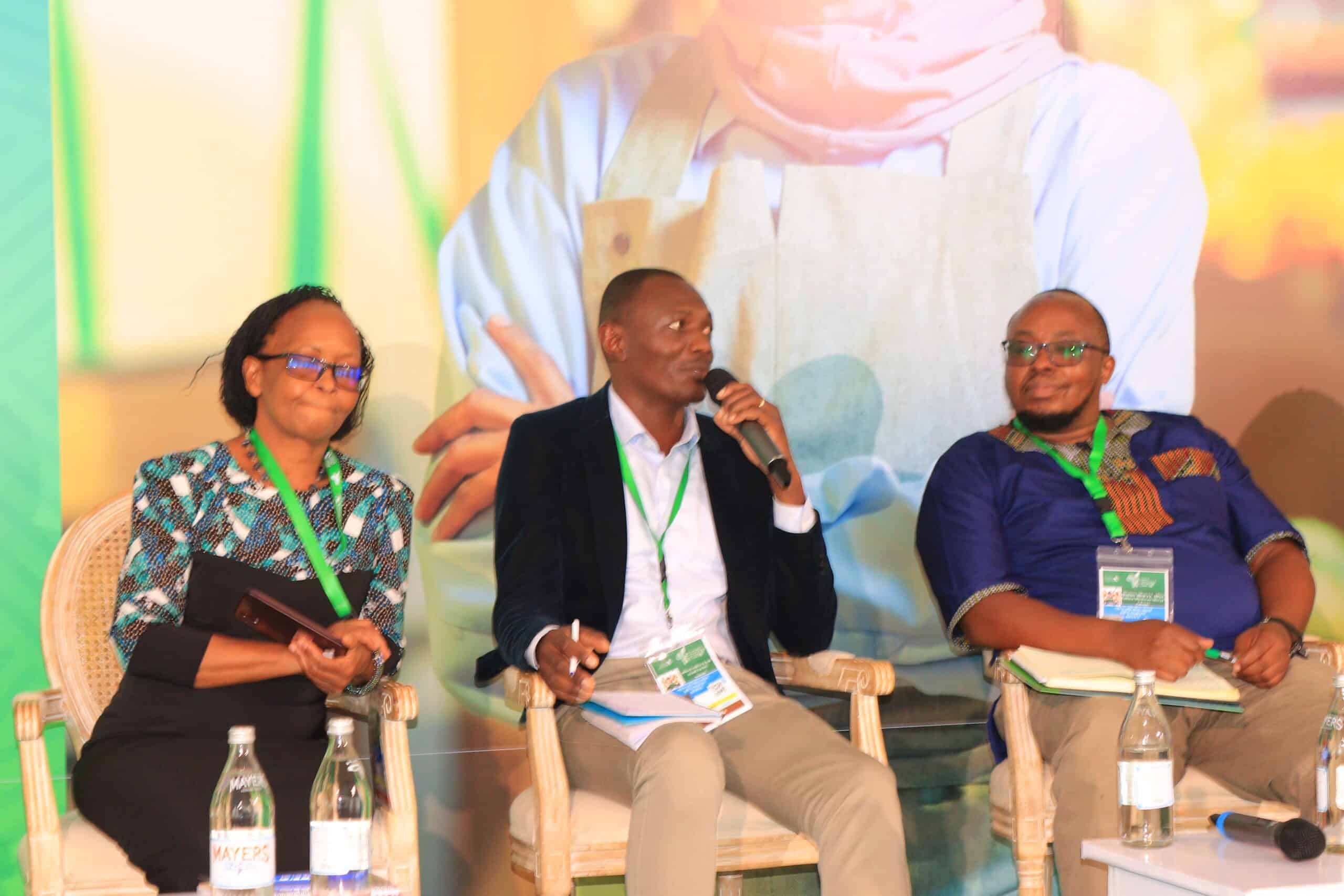
The panel discussion which was moderated by Ms Venancia Wambua ( BvAT), and had panelists with diverse qualifications and expertise but all relevant to the issues on the table. How do we enhance our soils’ health?
The panelists were; Dr. David Amudavi (ED) BvAT, Dr. Edward Karanja – icipe, Dr. Milka Kiboi – FiBL, Ms Rosinah Menya – Pelum Kenya, Prof. Felix Ngetich – Jaramogi Oginga Odinga University, Dr. Anne Muriuki – KALRO and Albert Kakande – MEMAGO Agroecology (PGS) Group (Uganda).
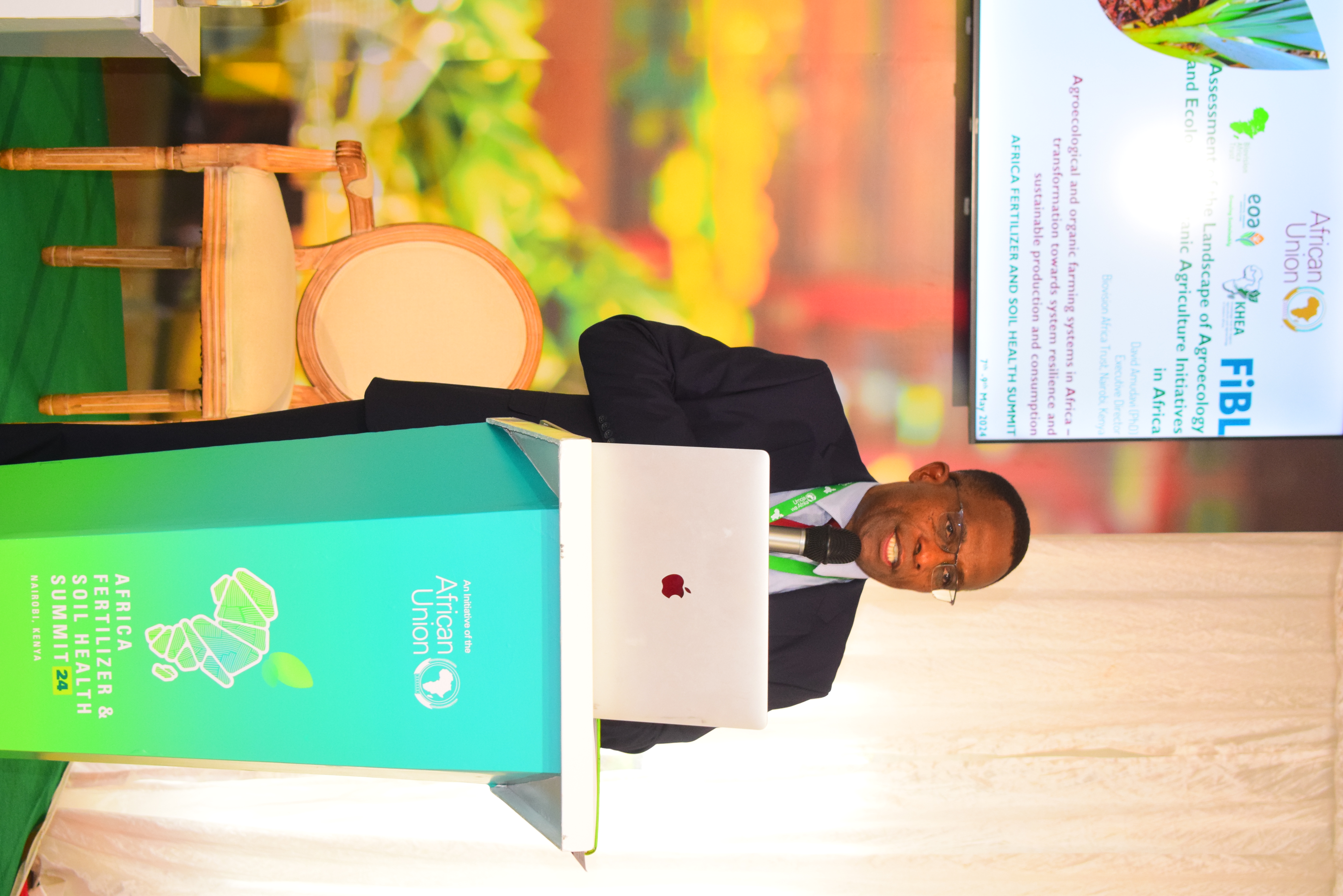
In his call to action, Dr. Amudavi noted that; “Transforming agricultural systems is not going to be business as ussual. Inorganic solutions have space in agriculture but they are not sustainable. Integration approach and diversifying our enterprises is the best approach”.
He also called for the integration of organic agriculture into conventional agriculture gradually until OA can take over and conventional agriculture is totally dropped. Increasing support to agroecology, investing in research, adopting the value chain approach, enabling farmers to make money from agroecology and finally adopting a systems approach in promotion of Agroecology were some of the success factors that were indentified by the panelists.
Dr. Milka Kiboi from FiBL took the audience through the long term field trials that FiBL is spearheading and proved that, in the long run, organic agriculture has shown to increase productivity and sustain the environment. An impact that may not be evident at the onset of organic farming.
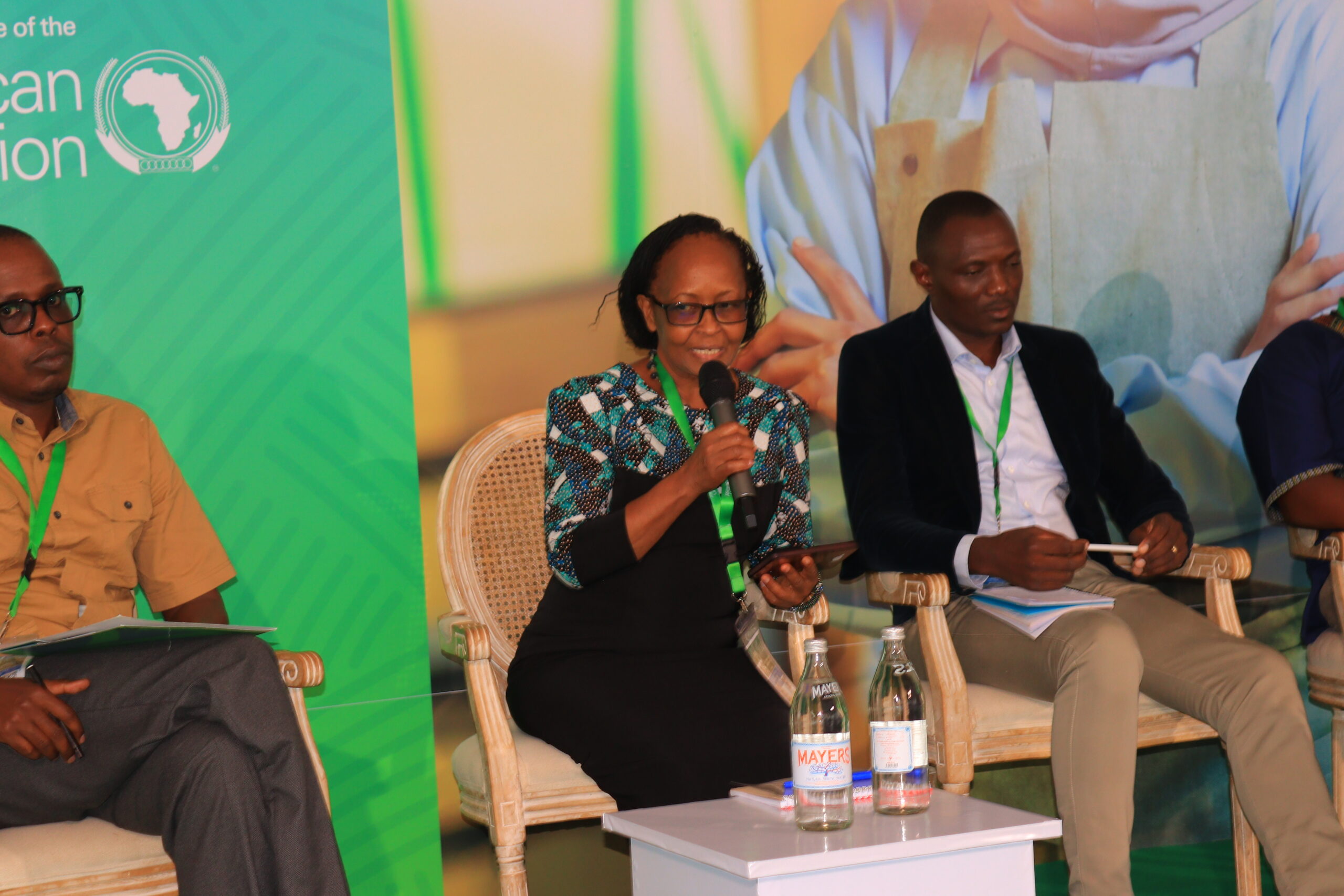
On the other hand, Dr. Anne Muriuki from KALRO took the audience through hudles that are impeding the adoption of agroecology with a series of partinent concerns and questions; bulky nature of organic inputs and their inaccessibility, infancy of research in organic agriculture in africa yet the sector is knowledge intensive, agroecology is a long-term investment and can farmers wait?and who bares the cost? Among many other issues.
BvAT made its contribution to this great event which saw the African Heads of State and Government endorse the Nairobi Declaration on Fertilizer and Soil Health, demonstrating their commitment to restore the nutritional balance of the continent’s soils. A declaration that could see proliferation of usage of biofertilizers.
Prepared by Hudson Were, edited by Venancia Wambua
RSS Feeds from KCOA Multiplier network