
Building the Future of the KCOA Network Through Collaboration and Learning
Kigali, Rwanda | 7–13 June 2026
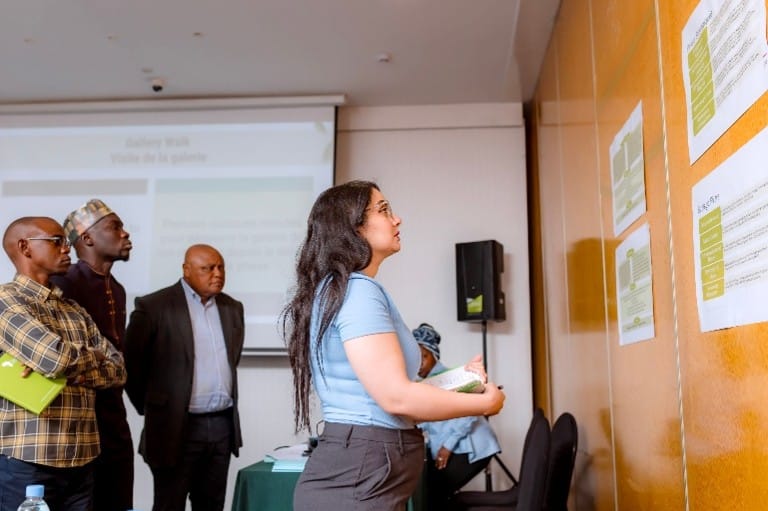
Representatives from the five Regional Hubs of the Knowledge Centres for Organic Agriculture and Agroecology (KCOA) in Africa Project in Eastern, Western, Southern, Central, and Northern Africa and the GIZ team convened in Kigali, Rwanda, from 7–13 June 2026 for the KCOA Transition Team Meeting hosted by the Rwanda Organic Agriculture Movement (ROAM), a Country Implementing Partner (CIP) under the KCOA-Knowledge Hub for Eastern Africa (KHEA).
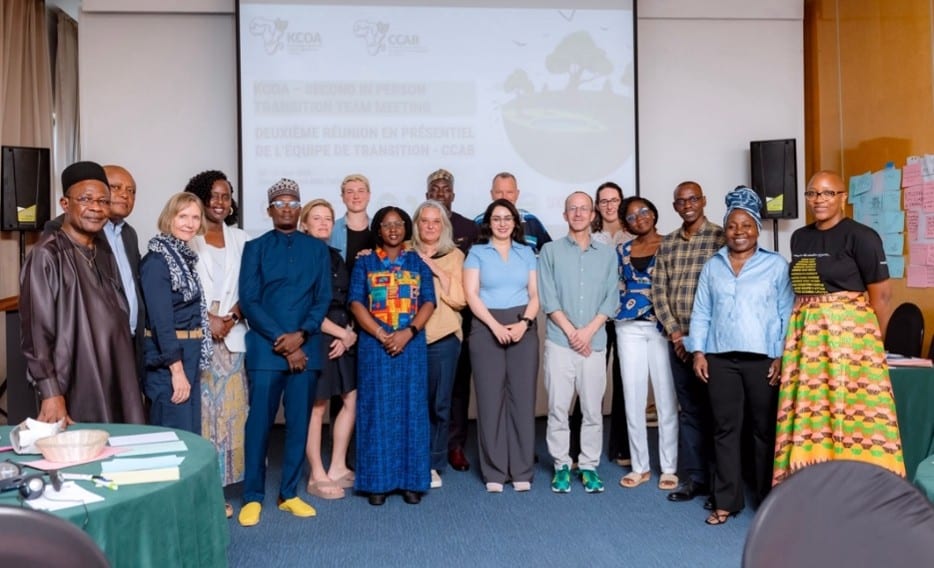
The meeting brought together GIZ-KCOA Team, Hub representatives, and consultants-Strategies SARL from Cameroon to co-create the future KCOA Network, which is expected to take effect from July 2027 onwards. The discussions focused on developing sustainable governance and operational approaches that will support the network’s continued growth and impact beyond the current project phase.
The KCOA-Knowledge Hub for Eastern Africa (KHEA) was represented by Josephine Akia Luyimbazi, Country Coordinator at PELUM Uganda, and Francis Nsanga, KHEA Project Manager at Biovision Africa Trust (BvAT). They worked alongside the Rwanda Organic Agriculture Movement (ROAM), a KHEA Country Implementing Partner (CIP) and host of the Transition Team Meeting, in contributing to discussions on the future governance, sustainability, and operational direction of the KCOA Network.
The discussions focused on developing sustainable governance and operational approaches that will support the network’s continued growth and impact beyond the current project phase.
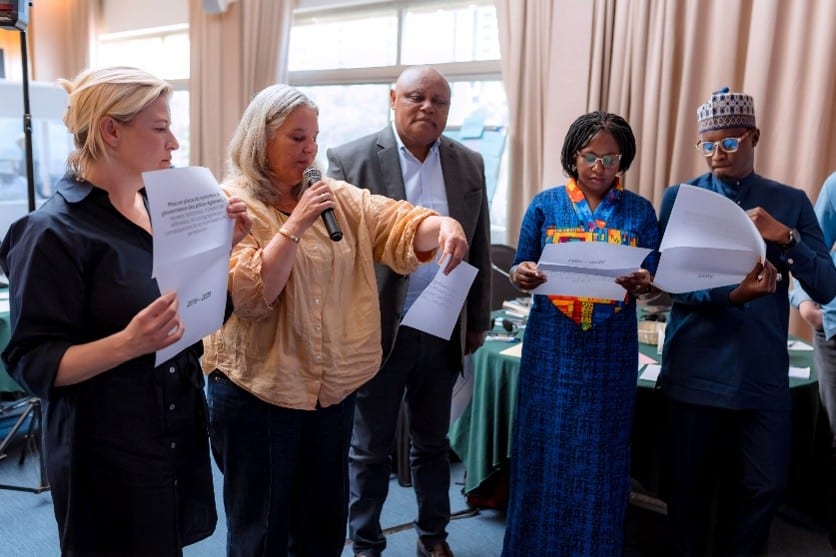
A major focus of the meeting was the future management, promotion, and sustainability of the KCOA Digital Knowledge Platform (DKP), a key resource that provides access to knowledge products, training materials, success stories, and innovations in organic agriculture and agroecology across Africa.
Participants explored practical approaches to ensure the platform remains accessible, relevant, and sustainable while continuing to serve farmers, extension workers, researchers, policymakers, and other stakeholders across the continent.
Learning from Success on the Ground
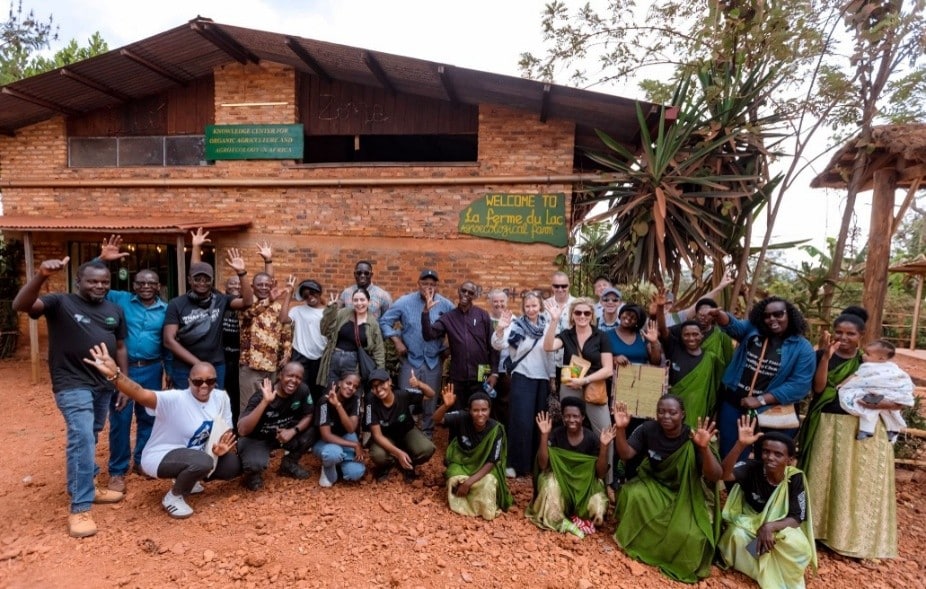
As part of the programme, participants undertook a learning visit to Humura Ferme du Lac, a KHEA Centre of Excellence and one of Rwanda’s leading agroecology learning centres. The visit offered an opportunity to witness firsthand the impact of capacity development, value addition, networking, and knowledge-sharing initiatives supported under the KCOA programme.
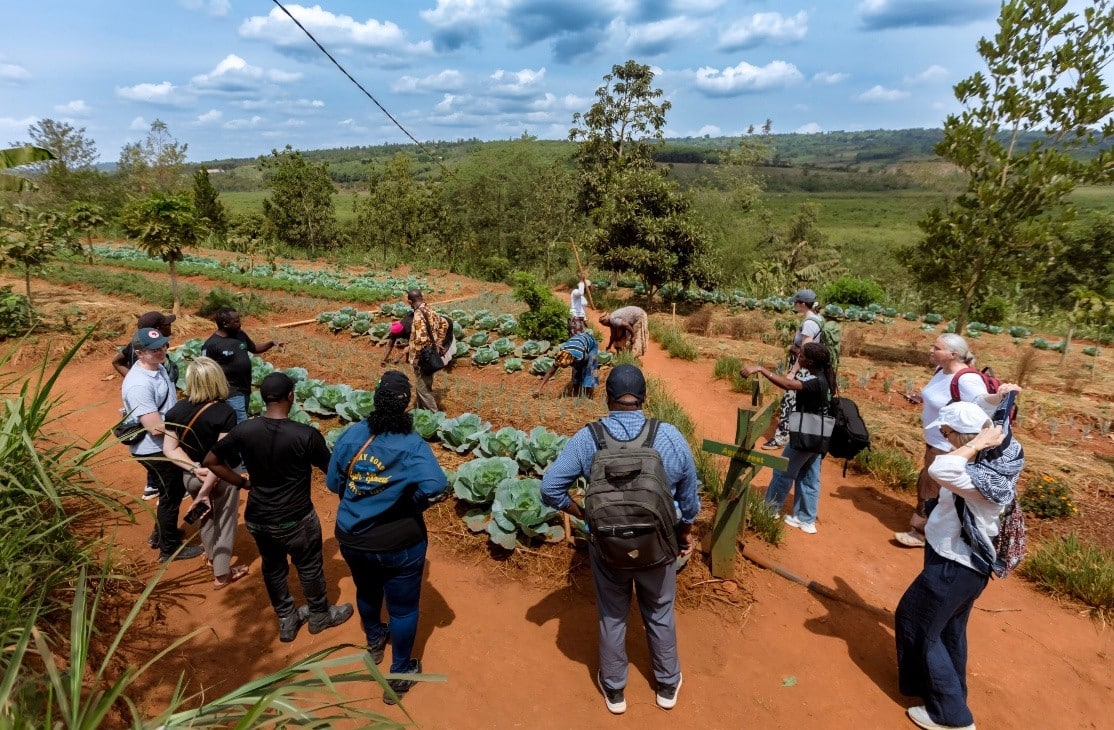
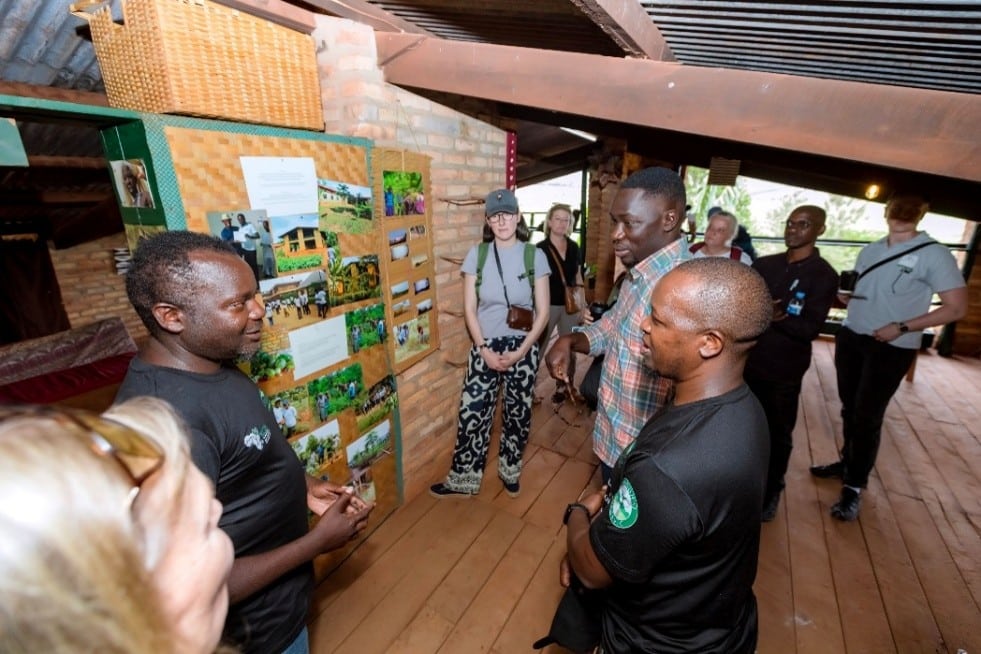
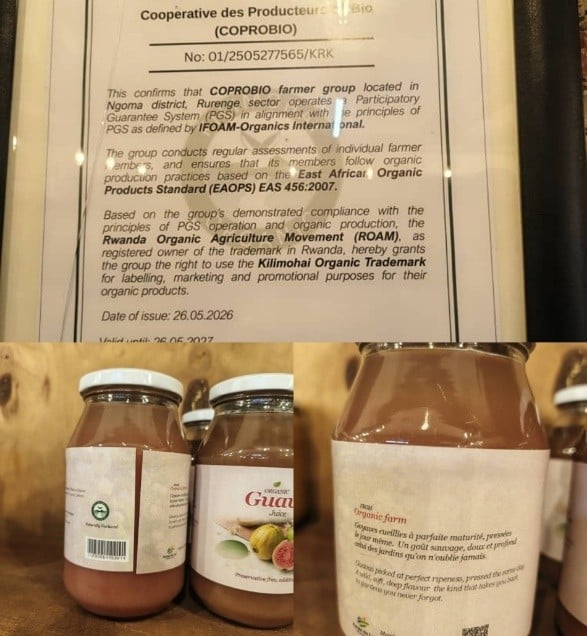
During the visit, participants met Albert Nkudabagyenzi, Centre Manager of Humura Ferme du Lac and a KHEA Multiplier, alongside members of the CORPROBIO Participatory Guarantee System (PGS) Group.
Albert shared his inspiring journey in promoting agroecology in Rwanda. Following training at the Songhai Centre in Benin, he returned home determined to champion organic agriculture at a time when the sector received limited attention. Through collaboration with ROAM and additional support provided through the KCOA-KHEA project, Albert has transformed Humura Ferme du Lac into a thriving agroecological learning and demonstration centre.
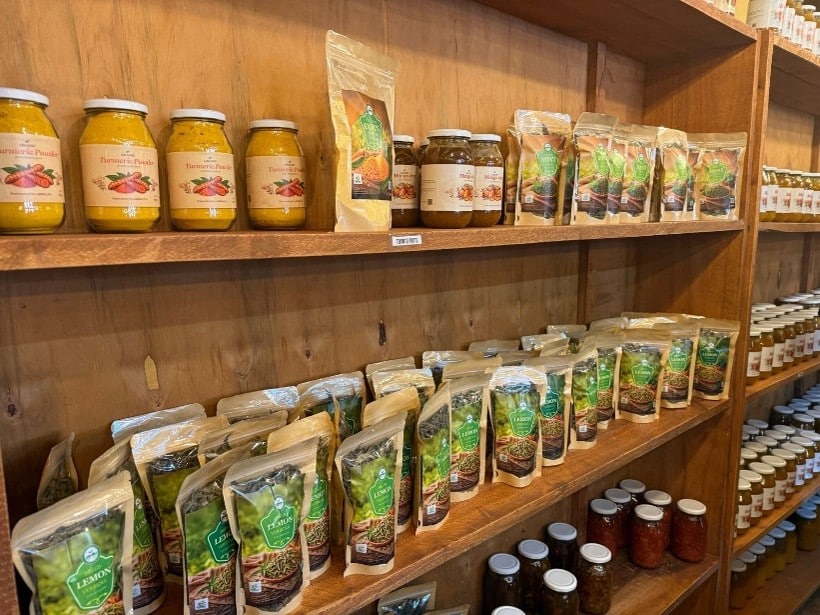
Today, women farmers supported by the centre are organized into Participatory Guarantee System (PGS) groups and produce certified organic products under the Kilimohai Organic Mark. Among these is the CORPROBIO PGS Group, whose journey toward becoming Rwanda’s first certified Participatory Guarantee System group highlights the transformative power of collective action, organic certification, and market access. Readers can learn more about their story in our feature, “CORPROBIO PGS Group: Rwanda’s First Certified Participatory Guarantee System Group Advancing Organic Agriculture.”
The cooperative has also diversified its livelihood opportunities through innovative enterprises such as mushroom farming. Their experience is documented in the success story, “The Transformative Journey of COPROBIO Cooperative Through Mushroom Farming,” which showcases how knowledge sharing and capacity development can translate into sustainable income opportunities for farming communities.
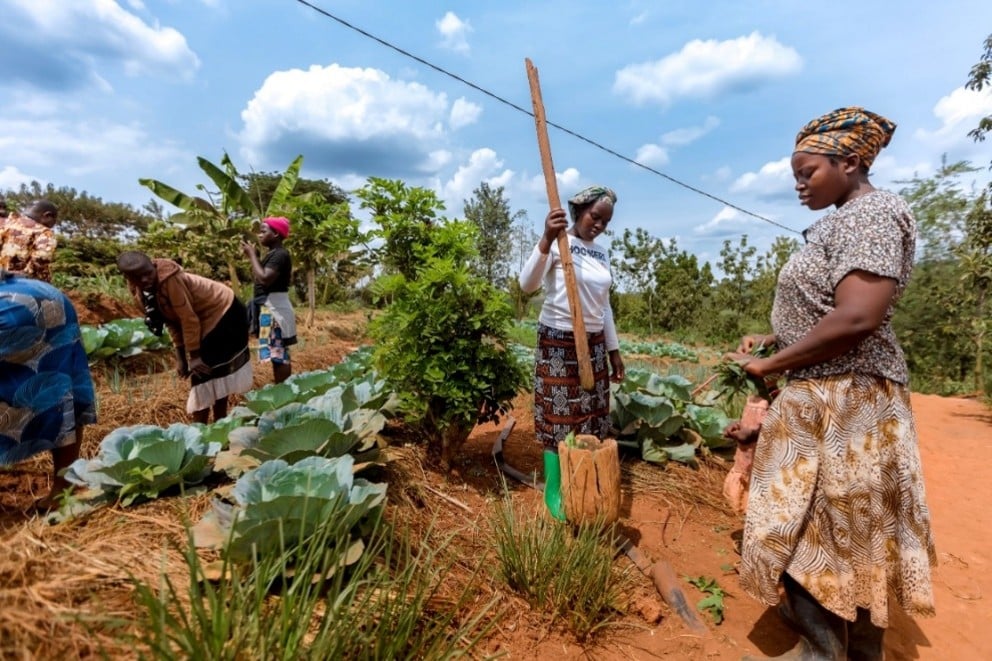
Albert credits much of the centre’s growth, visibility, and sustainability to the opportunities and support provided through the KCOA-KHEA initiative. His story serves as a powerful example of how strategic investments in training, networking, and knowledge exchange can create lasting benefits for individuals, institutions, and communities.
Related Success Stories
 CORPROBIO PGS Group: Rwanda’s First Certified Participatory Guarantee System Group Advancing Organic Agriculture ; COPROBIO PGS Group: ROAM-Rwanda’s First Certified Participatory Guarantee System Group Advancing Organic Agriculture – KCOA
The Transformative Journey of COPROBIO Cooperative Through Mushroom Farming ; The Transformative Journey of COPROBIO Cooperative through Mushroom Farming – KCOA
Looking Ahead
The Kigali meeting reaffirmed the commitment of KCOA partners to strengthening collaboration, preserving valuable knowledge resources, and building a sustainable future for the KCOA Network. As preparations continue towards the network’s transition in 2027, stakeholders remain focused on ensuring that agricultural knowledge remains accessible, practical, and impactful for communities across Africa.
By Magino Pamella – KHEA Communications Officer – Biovision Africa Trust and PELUM Uganda
RSS Feeds from KCOA Multiplier network