Skip to content
  • HOME
  • ABOUT US
    • KHEA Project Structure
    • Focus Areas of the Project
      • Where we work
      • PARTNERS
    • The Regional Project team
    • The CIP Project Team
    • Country Validation Committees
    • KHEA Project Master Trainers
  • KNOWLEDGE BASE
    • Knowledge Products
    • Publications
    • Other Knowledge Hubs
    • Newsletters
    • Opportunities
    • Videos
  • DIGITAL KNOWLEDGE PLATFORM
  • NEWS & EVENTS
    • News
    • Events
    • KHEA In The Media
    • Gallery
  • SUCCESS STORIES
  • ORGANIC MARKETS
  • CONTACT US
KHEA-Logo_2021

Reflections and Future Pathways: The 6th KCOA Networking Meeting 2024

November 26, 2024
  • admin
  • No Comments

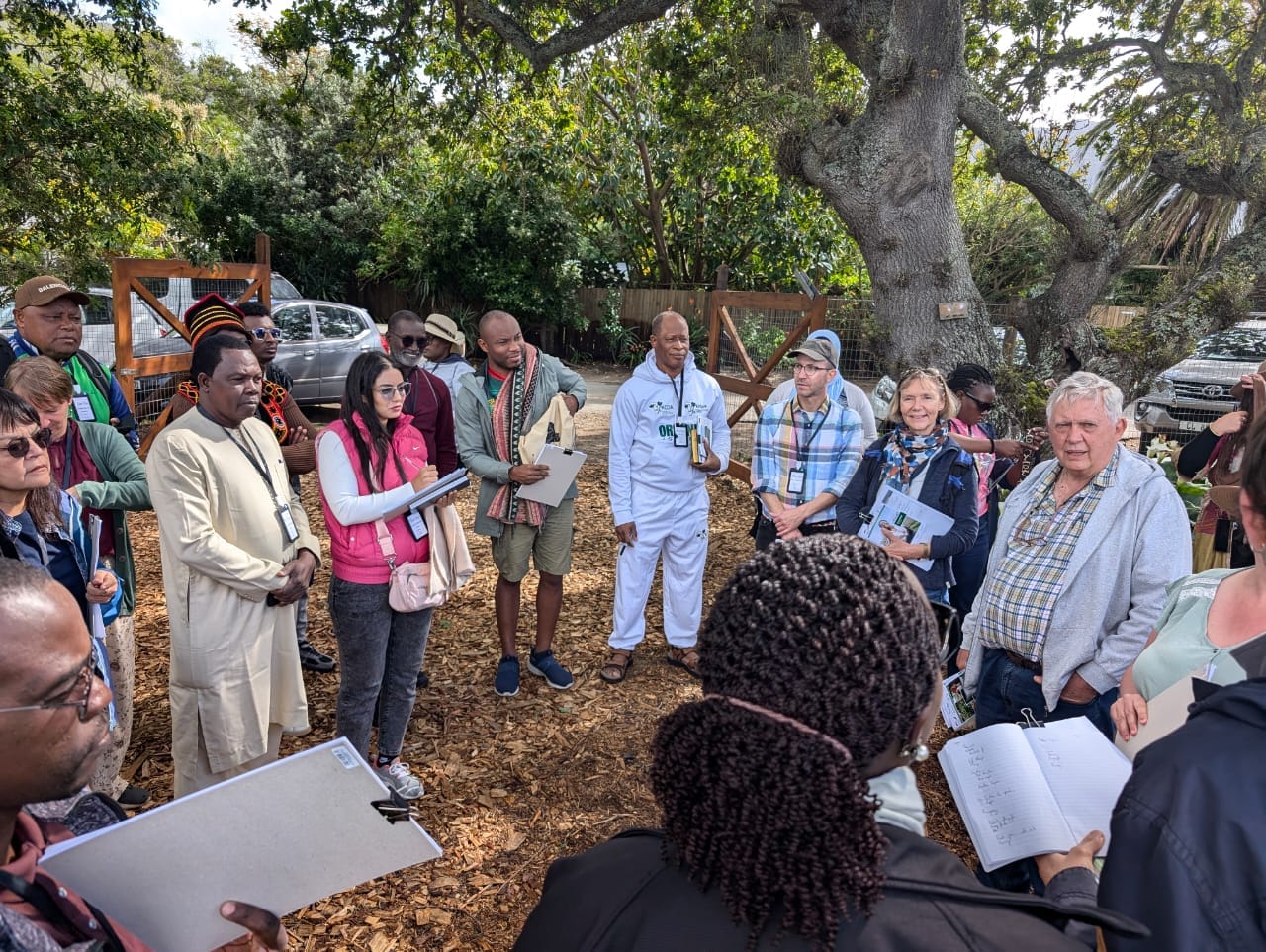
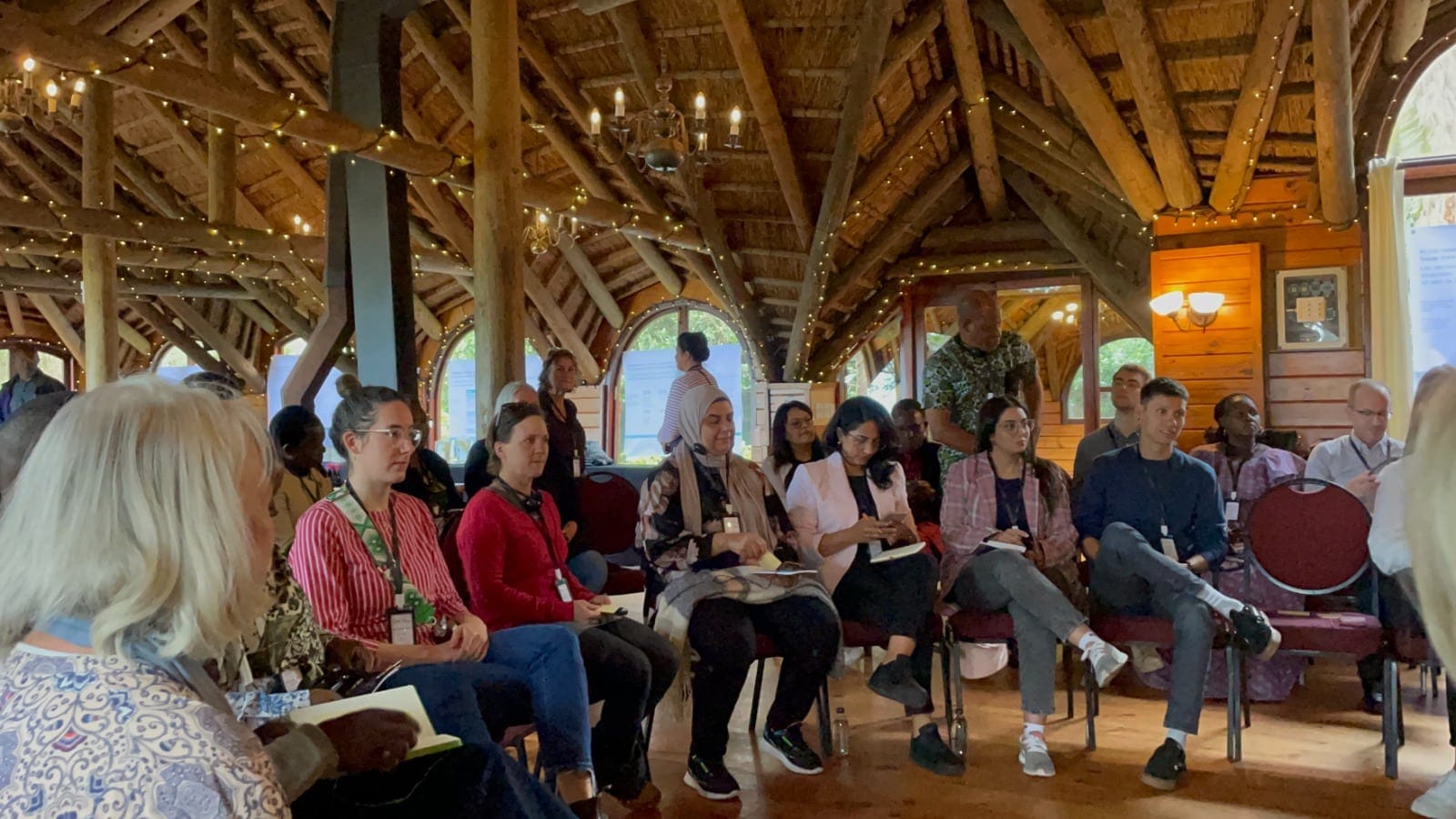
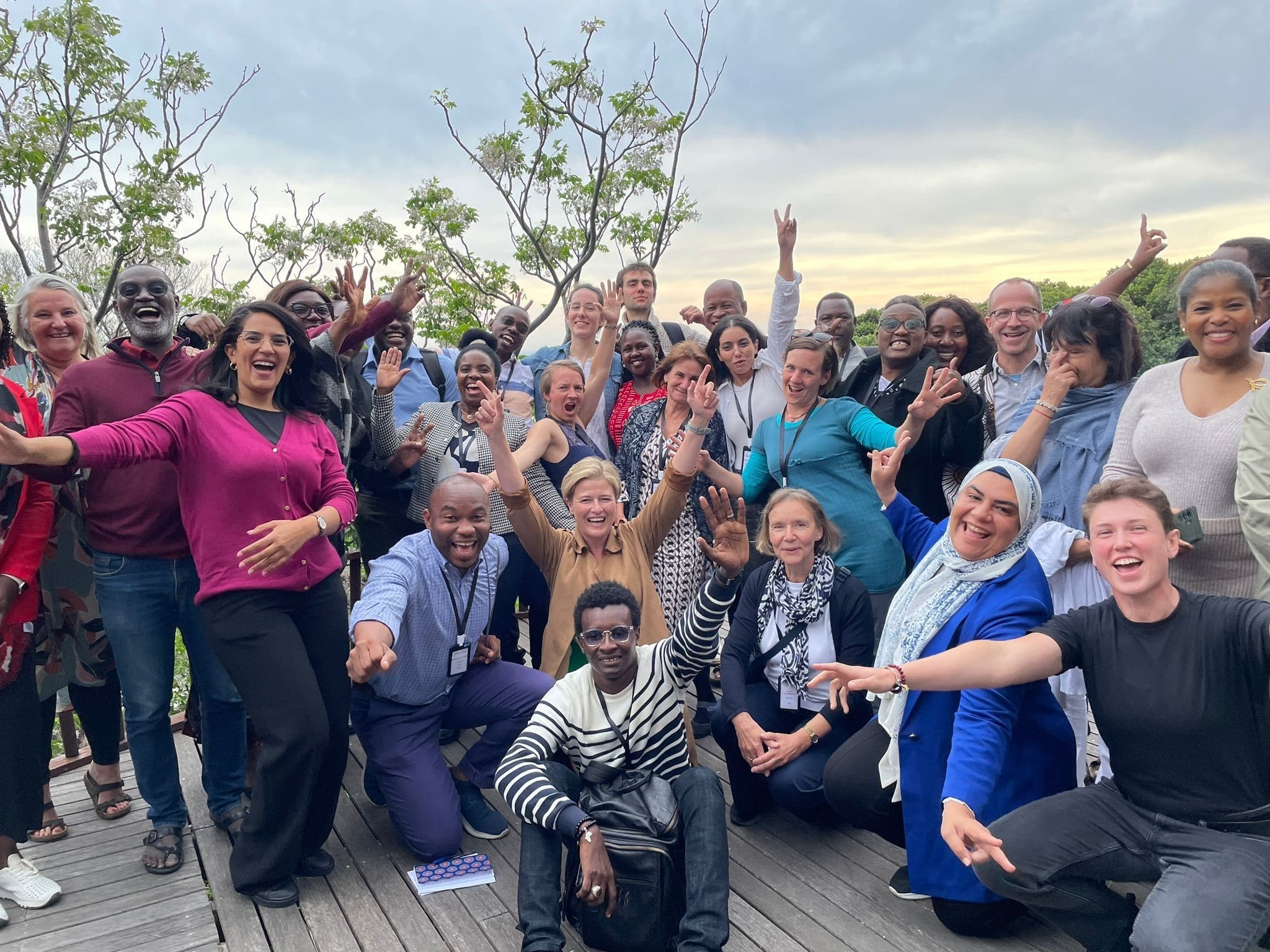
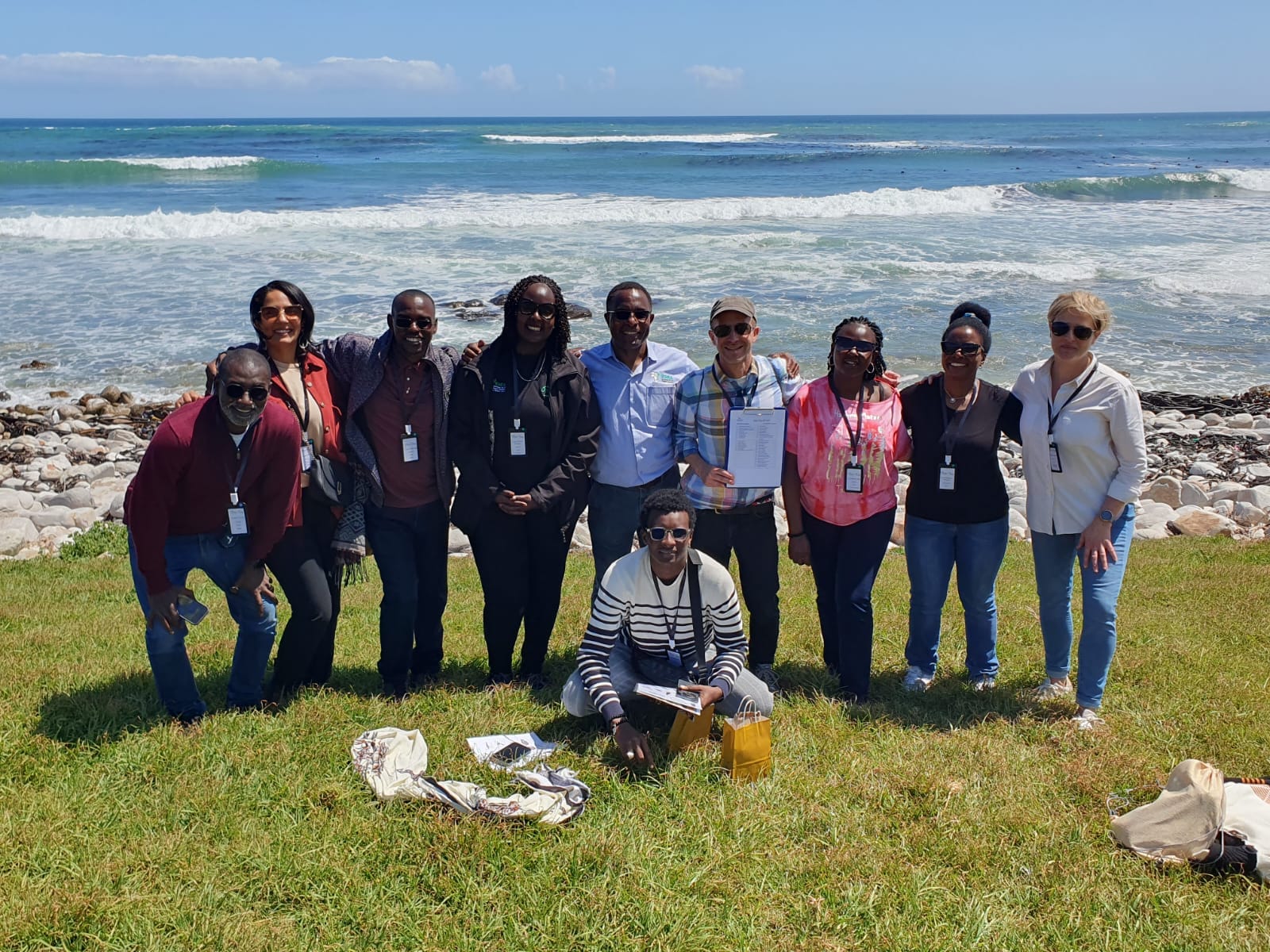
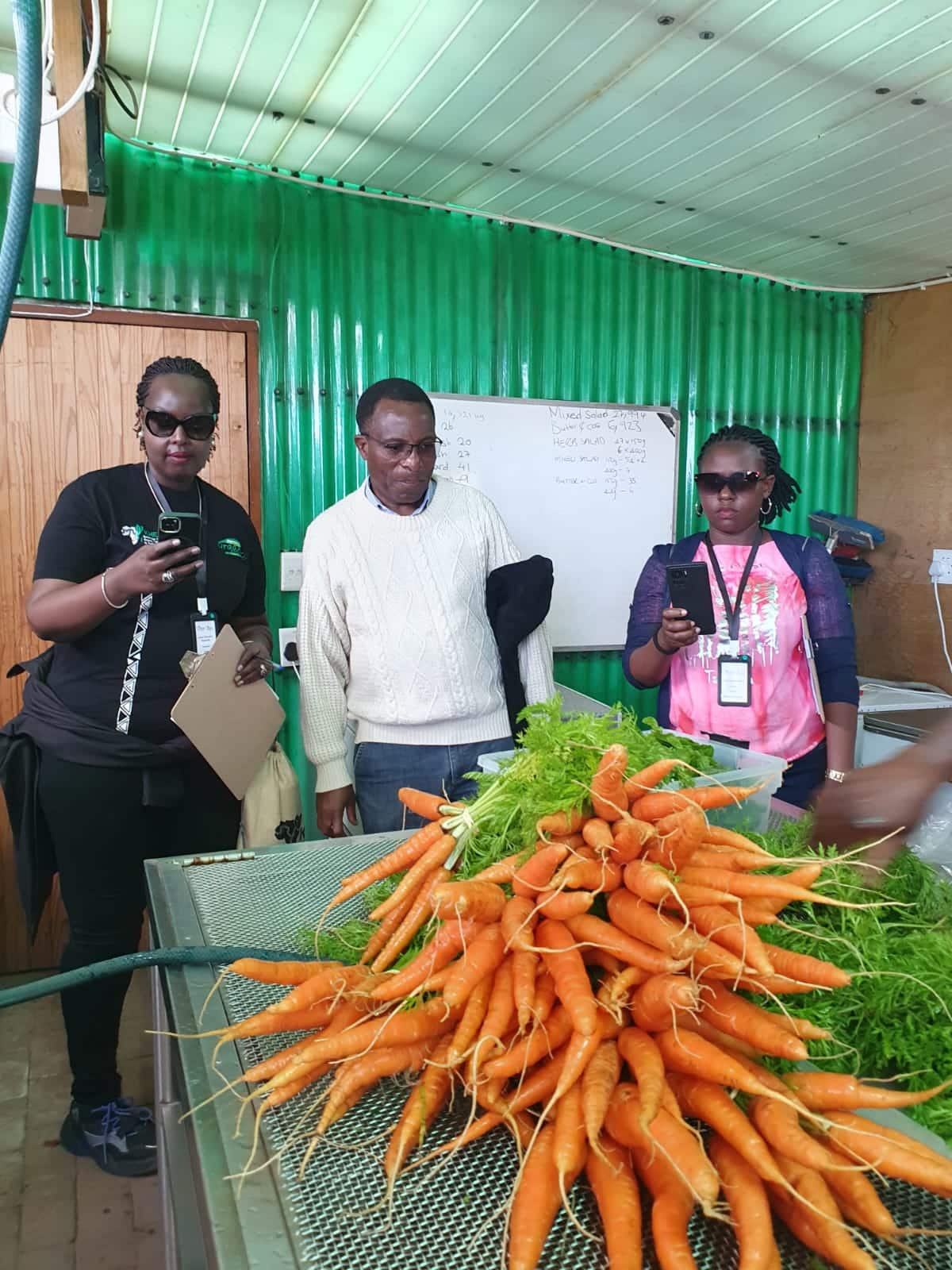
The 6th KCOA Networking Meeting 2024, held from October 23rd to 24th, in a combination of virtual and in-person sessions, that took place on October 31st in Cape Town, South Africa, marked a significant milestone for the KCOA Project and its partners. With 120 participants—80 online and 40 in-person—the meeting focused on reflection, learning, and strategic planning for the future of organic agriculture and agroecology across the continent. The Networking Meeting 2024 was a dynamic and enriching gathering, designed to bring together key stakeholders committed to transforming food systems across Africa.

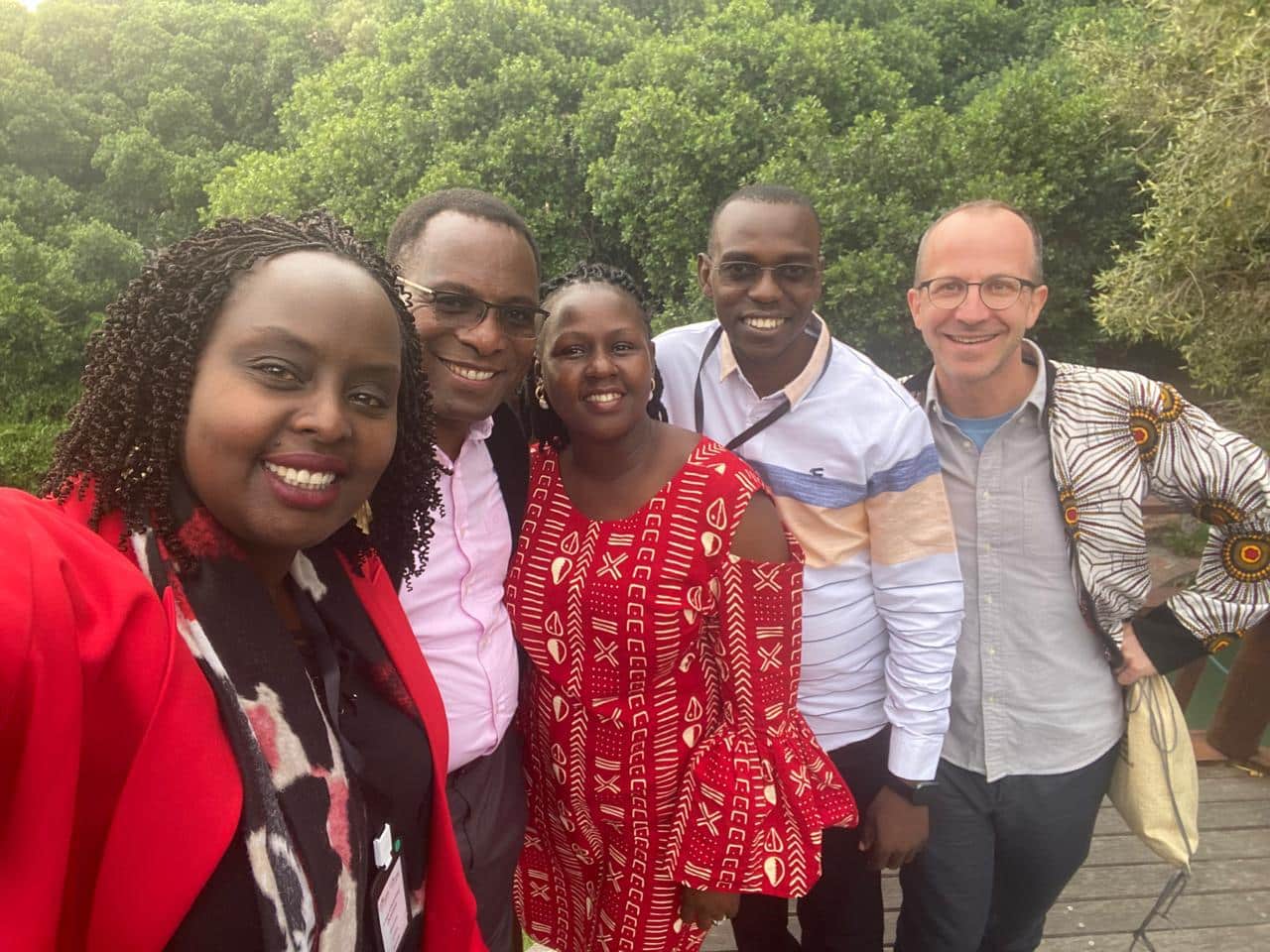
The KHEA hub was represented by Dr. David Amudavi (Executive Director – Biovision Africa Trust and KHEA Project Coordinator), Mrs. Josephine Akia Luyimbazi (Country Coordinator-PELUM Uganda), Francis Nsanga (KHEA Project Manager-PELUM Uganda and BVAT), and Ms. Lise Chantal Dusabe (CEO-ROAM). Representatives from other African hubs also joined the discussions, fostering vibrant conversations about agroecology’s potential to support sustainable food systems in Africa.

Key Objectives of the Meeting

    1. Reflection on KCOA Project Progress: Evaluating the KCOA project’s achievements and challenges since its launch in 2019
    2. Strategic Planning for KCOA 2.0: Developing new strategies to scale the project’s impact from 2025 to 2030.
    3. Strengthening Partnerships: Fostering collaboration among stakeholders to exchange knowledge and ideas.
    4. Advocacy for Policy Change: Pushing for policies that support agroecology at national and regional levels.
    5. Fostering a Shared Vision: Creating a unified approach to agroecology’s role in addressing Africa’s food security and climate challenges.

Over the past five years (2019-2024), the KCOA Project has made significant strides. these achievements include:

    1. Enhanced Capacity: Through training programs, the project has increased the knowledge and skills of farmers, extension workers, and local communities, empowering them to adopt agroecological practices.
    2. Increased Policy Recognition: The project has successfully advocated for agroecology’s inclusion in regional agricultural policies.
    3. Building Networks: KCOA has connected farmers, NGOs, and the private sector to create a collaborative network supporting agroecology.
    4. Support for Certification and Market Access: The project has facilitated organic certification, opening new markets for smallholder farmers.
    5. Gender and Social Inclusion: KCOA emphasizes equal access for women and marginalized communities in agroecological transitions.
    6. Raising Awareness: Through media campaigns and events, the project has increased visibility for agroecological practices, gaining international recognition.

To amplify KCOA’s impact, the Cape Town meeting focused on several strategis including:

      1. Strengthening Agroecology’s Core Principles: Emphasizing biodiversity, ecological balance, and sustainable farming to maximize environmental and community benefits.
      2. Building Resilient Market Systems: Developing market linkages, strengthening cooperatives, and fostering partnerships to create sustainable agroecological businesses.
      3. Expanding Knowledge Exchange: Fostering farmer-to-farmer learning and youth involvement to inspire the next generation of agroecologists.
      4. Policy Advocacy: Promoting agroecology at the African Union level and advocating for supportive continental policies.
      5. Harnessing Technology: Using digital tools to support farmers with real-time information on weather, pest control, and market prices.

Looking ahead to  KCOA 2.0 (2025-2030) The meeting set the stage for the next phase of the KCOA project, The key intended outcomes include:

    • Knowledge Management for Sustainable Food Systems: By 2030, KHEA aims to integrate organic agriculture and agroecology into farming communities, promoting resilient and sustainable food systems.
    • Entrepreneurship and Market Development: Strengthening market frameworks for agroecological products, helping farmers access fair and profitable markets.
    • Networking and Linkages: Expanding networks among local, national, and international stakeholders committed to scaling agroecology.
    • Policy and Advocacy: Advocating for pro-agroecology policies at national, regional, and international levels.
    • Capacity Development: Building the capacity of stakeholders to promote and advocate for agroecology and organic agriculture.
    •  

The 6th KCOA Networking Meeting 2024 reinforced the growing momentum for agroecology in Africa. With renewed energy and commitment, stakeholders are poised to take bold steps toward expanding agroecology’s impact, contributing to Africa’s food security, environmental sustainability, and socio-economic development.

Prepared by Magino Pamela KHEA Communications Officer

See license statement of all KCOA Content: https://kcoa-africa.org/licence-statement/  which also applies to all content from hubs implementing the KCOA project.

Success stories from KCOA Multiplier network

RSS Feeds from KCOA Multiplier network

  • From Soil to Plate: How Sustainable Food Systems Improve Nutrition and Public Health
    on April 8, 2026 at 6:39 am
  • PEDODATA AS A DECISION SUPPORT SYSTEM FOR AGROECOLOGICAL EVOLUTION: NIGERIA’S SOIL INFORMATION GAP ANALYSIS
    on April 7, 2026 at 5:06 am
  • Practical Resources for Organic Farming & Agroecology
    on April 2, 2026 at 12:27 pm
  • Soil Poisoned, Water Contaminated: The Hidden Cost of Chemical Farming in Southern Africa
    on March 31, 2026 at 9:56 am
  • Le compost ménagé en ville : transformer ses déchets organiques en ressource pour les sols et les jardins urbains
    on March 30, 2026 at 8:58 pm
  • From Your Farm to Your Farm: Making Organic Pesticides and Liquid Fertilizer at Home
    on March 30, 2026 at 1:45 pm
  • Every Drop Counts: Towards Resilient and Sustainable Agriculture
    on March 23, 2026 at 10:44 pm
  • World Water Day – 22 March: Water for Life, Farming, and Our Future
    on March 23, 2026 at 11:55 am
  • From Field to Jar: How Peanuts Empower Farmers and Communities
    on March 23, 2026 at 11:28 am
  • Who Controls Our Seeds? How Industrial Farming Undermines Food Sovereignty in Southern Africa
    on March 19, 2026 at 9:19 am
kcoa_khea@biovisionafricatrust.org

Related Links

KCOA Multiplier Network
Access Agriculture
INFONET
The Organic Farmer
Downloads

Biovision Africa Trust (BvAT)

Lead Coordinating Agency

C/O International Centre of Insect Physiology & Ecology
P. O. Box 30772-00100, Nairobi – Kenya.

info@biovisionafricatrust.org

www.biovisionafricatrust.org

+254 719 052 113

PELUM Uganda

Co-Hosting Agency

Plot 37/37A, Martyrs Way, Ntinda.
P. O. Box 35804, Kampala – Uganda.
pelumuganda@pelumuganda.org

www.pelumuganda.org

+256 (0) 4141 533 973

©2023. KHEA-Africa. All Rights Reserved.

KCOA License Statement